

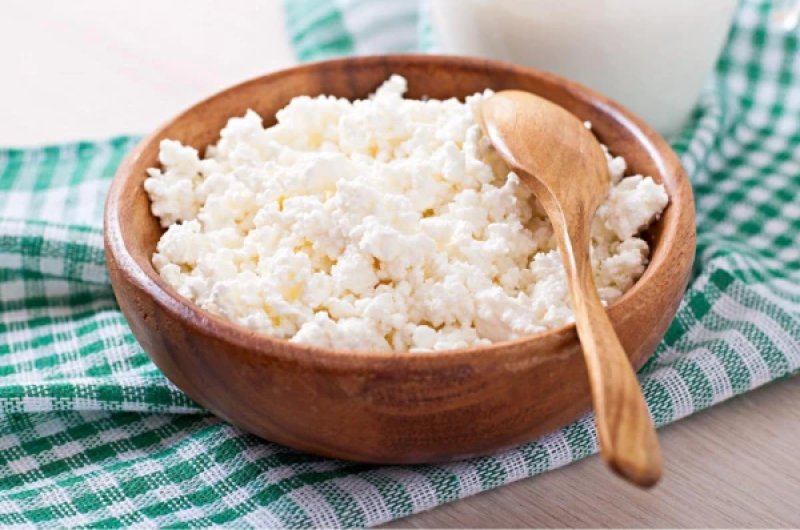
Cottage cheese has long been regarded as one of the simplest protein foods. It can be eaten on its own, added to omelets, sauces, baked goods, and other dishes. In addition to quality protein, it contains calcium, potassium, phosphorus, and vitamin B12, as reported by Parade. But how beneficial is cottage cheese specifically for the cardiovascular system? The publication *Parade* posed this question to three certified dietitians. The material was published on **September 5, 2026**. ### Protein — One of the Main Advantages About half a cup of cottage cheese contains **approximately 13 grams of protein** — the protein content of such a serving is comparable to about 60 g of meat. Because of this, cottage cheese is very filling and can help create a complete meal. However, protein itself cannot be considered a substance that directly "protects the heart." The benefit lies elsewhere: cottage cheese can replace foods high in saturated fats or refined carbohydrates. For example, it usually contains less saturated fat than sour cream, mayonnaise, or ricotta. For individuals with cardiovascular diseases, high cholesterol, or a high risk of such diseases, dietitian Maggie Michalchik recommends choosing **low-fat cottage cheese**. This allows for the intake of protein and calcium while simultaneously reducing the amount of saturated fat. ### The Main Nuance — Salt One of the downsides of cottage cheese can be its relatively high sodium content. According to the data presented in the material, half a cup of the product contains about **350 mg of sodium**. Therefore, when consuming cottage cheese regularly, it is important to consider how much salt a person is getting from other foods. This is especially important for people with high blood pressure. Dietitians, however, emphasize that the presence of sodium does not turn cottage cheese into a "heart-unhealthy" product. What matters more is the overall sodium intake in the diet and the portion sizes. ### Potassium and Calcium Are Needed for the Heart Cottage cheese contains **potassium and calcium**. Potassium helps regulate blood pressure and assists the body in dealing with excess sodium. However, one serving of cottage cheese provides only about **3% of the recommended daily intake of potassium**, so it should not be considered a primary source of this mineral. Calcium, in turn, is involved in the contraction and relaxation of blood vessels and is necessary for the normal functioning of the heart and muscles. The cholesterol content in cottage cheese is relatively low and, according to the estimate provided in the article, is usually lower than in many other cheeses. Therefore, replacing part of the cheese with cottage cheese can reduce the overall cholesterol content in a dish. ### What to Eat Cottage Cheese With Dietitians recommend pairing cottage cheese with foods that are low in sodium. For example, it can be complemented with **berries, walnuts, chia seeds, and cinnamon** or eaten with fruits and whole-grain toast with avocado. Cottage cheese can also be used instead of ricotta in lasagna or blended and added to tomato sauce for pasta, increasing the protein content of the dish. Cottage cheese can be a beneficial part of a heart-healthy diet, especially if choosing lower-fat and not overly salty options. But specialists remind us that cardiovascular health depends not on a single "healthy" product, but on the overall diet.
