

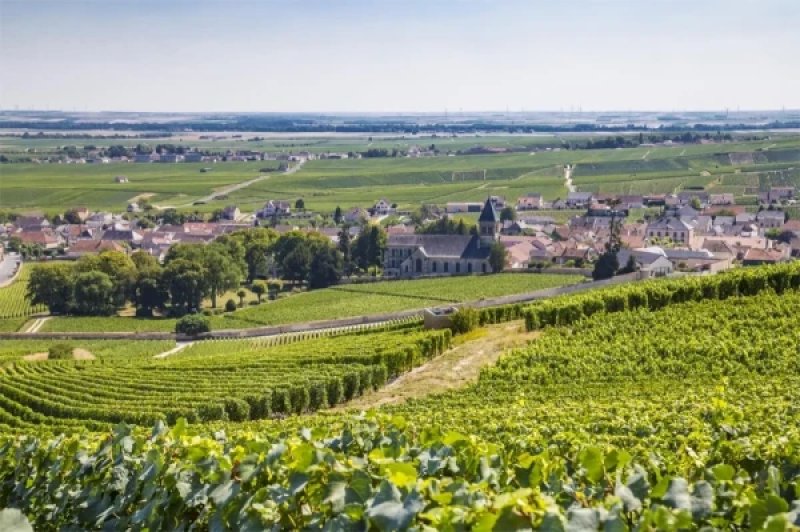
In Champagne, where the harvest for the production of champagne wines takes place, the 2026 harvest began record early, and production may be cut by almost half. The country is expecting one of the worst wine seasons since 1957. If the forecast is confirmed, this year's harvest in France will be one of the smallest in the last half-century. In 2026, the country may produce about 33.9 million hectoliters of wine, or approximately 4.5 billion standard bottles. This is 6% less than the previous year and 17% below the average for 2021–2025. The decline is due not only to the reduction in vineyard area but primarily to the drop in yield after the heat and drought. The summer was tough: France recorded record high temperatures, and several heatwaves coincided with the grape ripening period. The plants suffered from sunburn, leaves dried out, and berries shriveled. Due to accelerated ripening, harvesting had to begin significantly earlier than usual. **Champagne Under the Sun** Champagne was hit the hardest. According to the French Ministry of Agriculture, production here may be about 49% lower than the 2025 level. The weight of the bunches was also small. For the region, this means almost a twofold reduction in raw materials for champagne. The sharp drop in harvest does not mean that champagne will immediately disappear from the shelves. Producers have reserve wines from previous years and can use them for blending. This practice has long been used in Champagne and helps smooth out the differences between harvests. But the reserves are not infinite. Some producers may keep reserves for the future or reduce bottling volumes. Therefore, the consequences of a weak harvest will manifest gradually. The problem also affects the entire French wine market. The industry is facing declining consumption, shrinking vineyard areas, and trade risks. The French government has already announced emergency assistance to farmers amounting to over 1 billion euros. But for winemakers, the issue is no longer just about compensating for one season. Extreme heat and drought are forcing changes in harvest timing and seeking ways to preserve the character of French wines. For Champagne, this is particularly sensitive—its reputation has been built over decades around a specific climate and balance of taste. If weather conditions continue to change, producers will have to simultaneously protect the harvest and adapt their approach to winemaking. Therefore, this season is important not only due to the potential shortage but also as a signal of long-term changes for the entire industry.
