

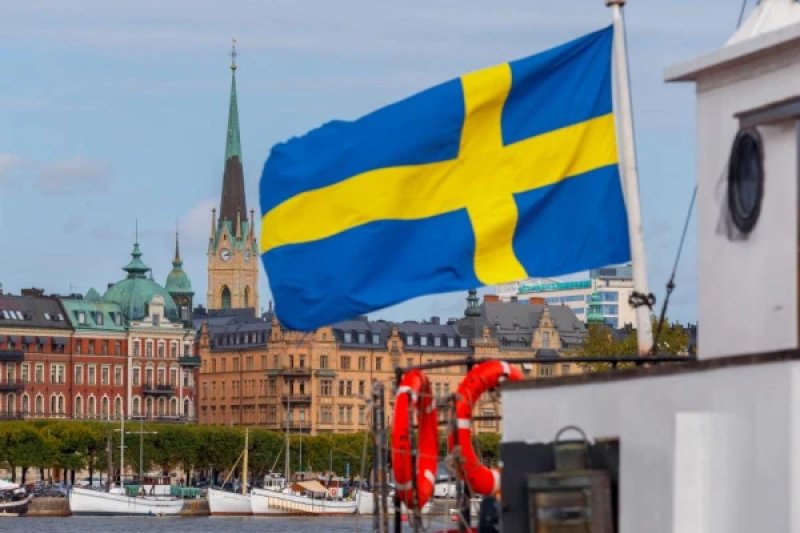
Sweden is holding a general election on Sunday, September 13, which could either return the left-leaning opposition to power after a four-year hiatus or allow the ultra-right to enter the government for the first time. Pre-election polls had long predicted a confident victory for the left alliance over the right bloc led by current Prime Minister Ulf Kristersson, which includes the ultra-right party "Sweden Democrats." However, as the voting day approached, the lead of the four-party opposition alliance led by former Prime Minister Magdalena Andersson, leader of the Social Democratic Party, narrowed. "We all knew that the election results would be very close. I have been saying this all along. Now it is up to the voters: do they want a government that will be fully controlled by the 'Sweden Democrats,' or do they want a government led by me?" Andersson stated at a rally in Stockholm on September 12. ## ## Major Parties and Election Positions The Social Democratic Party has governed Sweden for most of the last century and remains the largest party in the country. The left bloc has promised to strengthen the welfare state and address the rising cost of living. At the same time, Kristersson has focused his campaign on the results of his government's work in reducing violent and organized crime and tightening immigration policies. Supporters of the right bloc believe that a victory in the election on September 13 will signify voter approval of this approach. Critics call this agenda a threat to civil liberties and unfair to immigrants. "We can unite parties, voters, and those in need of solutions for joint action. That’s why we are achieving results," Kristersson stated this week in parliament. ## ## Ultra-right May Enter Government for the First Time Unlike Germany, where most parties have ruled out cooperation with the ultra-right party "Alternative for Germany" (AfD), Kristersson has promised the "Sweden Democrats" key positions in the government if his alliance wins. The leader of the ultra-right party, Jimmie Åkesson, stated at a campaign rally in Stockholm on September 12 that "the Sweden Democrats have already won." The party hopes to come to power for the first time after entering parliament in 2010. "Sweden is becoming safer, better, and more Swedish," said the 47-year-old Åkesson. If the right alliance wins, he is expected to take the position of Minister for Migration. Voter turnout in elections traditionally exceeds 80 percent. About 8 million people have the right to vote in a country with a population of 10.6 million. Voter turnout in Sweden regularly exceeds 80 percent. Polling stations will close at 8:00 PM local time. The first results are expected on the evening of September 13. About half of the votes have been cast early.
