

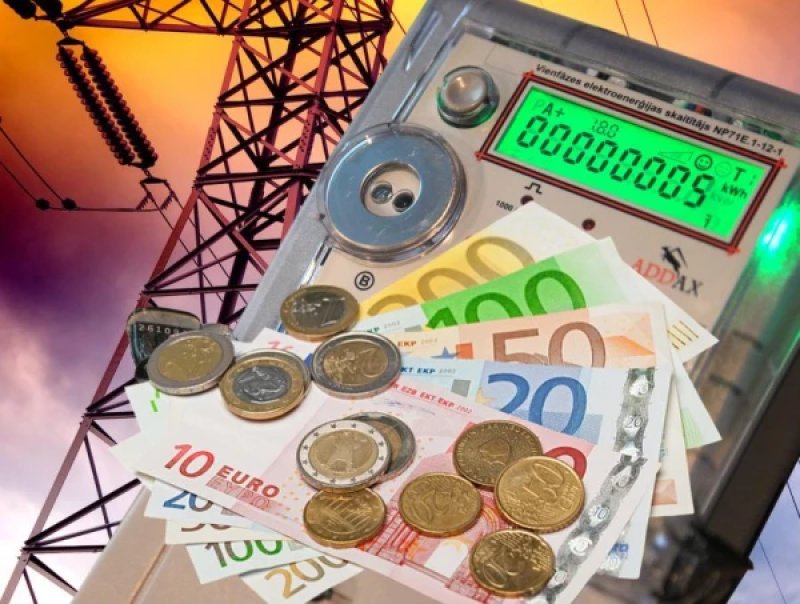
As of September 7, 2026, gas storage facilities in the European Union were filled to 66.90% – the lowest level since 2021. The reason: fluctuations in oil and gas markets caused by the conflict in the Middle East, notes Latvenergo. Therefore, there is a high likelihood that natural gas prices will remain higher than in the previous heating season. "This will reflect on energy bills for households and industries, contributing to inflation," warn energy experts. ## Homeland Reserves The situation in the Latvian energy resources market is as follows: * Natural gas reserves: as of September 11, 2026, the Inčukalns underground storage facility has 11.5 TWh of gas (of which 1.8 TWh is the state reserve). This comfortably covers the annual consumption of all of Latvia, including households. * Wood pellets: in July, due to surging demand, prices skyrocketed to 475 euros/ton. By early September, prices fell to 330 euros/ton. * Heating tariffs: the average tariff in the country in September is 86 euros/MWh (+4% since the beginning of the year), while in major cities it is 78 euros/MWh (+2.5%).
