

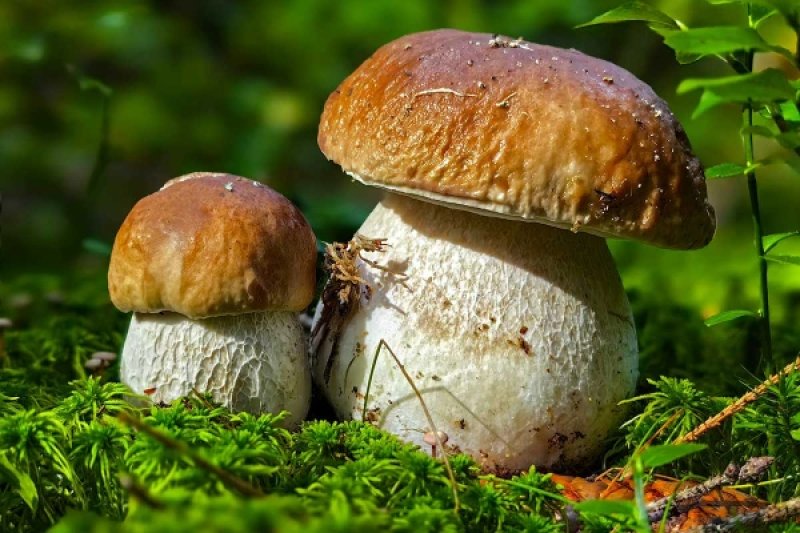
Mushroom exhibitions in Riga have a history of over a century. The first known exhibition took place on September 1, 1918, at the Riga City Gymnasium — now the 1st Riga State Gymnasium. Its initiator was ornithologist and mycologist Ferdinand Erdman Stolt. Even then, residents of Riga were encouraged to bring their own mushroom finds to the exhibition. At the Nature Museum, this tradition has existed for 75 years — the first exhibition here was held in 1951. Over the decades, organizers and venues have changed, and there have been breaks, but the mushroom exhibition has retained its status as one of the traditional autumn events in Riga. The main goal of the current exhibition is to showcase as many species of mushrooms as possible and help visitors better navigate their diversity. Beginner mushroom pickers will be able to familiarize themselves with unfamiliar species, while more experienced ones can learn additional characteristics that allow for more accurate identification of the specimens found. All presented mushrooms will be divided into several categories: edible, inedible, poisonous, and protected. Visitors are also invited to bring their own finds. Particularly interesting specimens may enrich the museum's scientific collection. During the exhibition, mycologists will be present, including Inita Daniēle, Diana Meijere, and Mika Rieksta-Hofmane. They will help identify the brought mushrooms and answer questions. Thanks to cooperation with the Latvian Mycological Society, the program will not be limited to the traditional exhibition. Guests will be presented with recipes for mushroom dishes, products made from yarn dyed with mushrooms, and other unusual works. Educational and creative tasks will be prepared for children. In addition, during the exhibition, it will be possible to purchase the Big Latvian Mushroom Book and the Calendar of Edible Mushrooms for 2027. Specialists from the Latvian National Museum of Nature remind the main rule of safe "quiet hunting": if a mushroom is unknown or raises doubts, it should not be consumed.
