

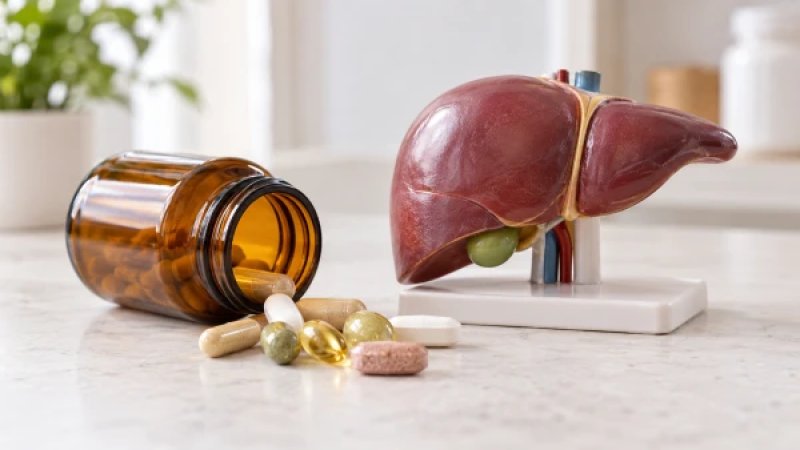
This is reported by WomanHit, citing gastroenterologist Vladimir Lobkov. However, some statements in the original publication require clarification: not all dietary supplements overload the liver, and their combined intake does not necessarily create an "unfavorable chemical environment." The risk depends on the substance, dosage, duration of intake, product quality, health status, and other medications. ## Why Supplements Are Not Always Safe The label "natural" does not mean that the product is harmless. Biologically active substances can affect metabolism, blood clotting, and the action of medications. High dosages, multi-component complexes, and products with inaccurate or incomplete compositions pose particular dangers. Liver damage associated with supplements may not show noticeable symptoms for a long time. Possible signs include nausea, loss of appetite, pronounced weakness, itching, dark urine, pale stools, pain in the right side under the ribs, and yellowing of the skin or the whites of the eyes. If these symptoms appear, it is necessary to stop taking the suspicious product and seek medical help. ## Which Vitamins Can Be Harmful Fat-soluble vitamins A, D, E, and K can accumulate in the body, so it is especially important to adhere to the dosage with them. However, water-soluble vitamins do not automatically become safe: for example, prolonged intake of high doses of vitamin B6 can cause nerve damage. ### Vitamin A Chronic consumption of high doses of retinol can damage the liver and, in severe cases, lead to fibrosis or cirrhosis. The risk increases if a person simultaneously takes several products containing vitamin A and regularly consumes foods rich in it, such as liver. Beta-carotene from vegetables acts differently and usually does not cause such toxicity. It is especially important for pregnant women to avoid excess preformed vitamin A, as it can disrupt fetal development. ### Vitamin D Vitamin D is essential for the body; however, taking 5000–10,000 international units daily without a doctor's prescription is not advisable. The upper acceptable level for most adults is 4000 IU per day, although a doctor may temporarily prescribe a higher dose to treat confirmed deficiency. The main danger of overdose is hypercalcemia: excess calcium in the blood can cause nausea, weakness, heart rhythm disturbances, and kidney damage. Vitamin D itself is not considered a typical cause of drug-induced liver injury. ### Vitamin E High doses of vitamin E can increase the risk of bleeding, especially when taken simultaneously with medications that affect blood clotting. A large study, SELECT, also found an increased risk of prostate cancer in men taking 400 IU of vitamin E daily. However, the claim that excess vitamin E typically causes oxidative stress and directly damages the liver is not sufficiently substantiated. ## Which Herbal Remedies Are Associated with Liver Damage Sometimes the cause of problems is not vitamins but concentrated herbal extracts. * Comfrey and coltsfoot may contain pyrrolizidine alkaloids that damage liver vessels. Internal use of such remedies is restricted in several countries. * Kava, used for anxiety and insomnia, has been linked to rare but severe liver damage. * Concentrated green tea extract in some weight loss supplements can cause acute hepatitis. Regular brewed tea contains much lower doses of active substances and is not equivalent to the extract. * Multi-component weight loss, bodybuilding, and "detox" products present additional complexity: when a reaction occurs, it can be difficult to identify the dangerous ingredient. The American National Center for Complementary and Integrative Health confirms that comfrey, kava, and some other supplements can cause serious liver damage. ## Which Combinations Require Caution Some statements in the original text also need correction. Vitamin K2 does not thin the blood. On the contrary, vitamin K can weaken the effect of warfarin, so people taking this anticoagulant should not abruptly change the amount of vitamin in their diet or start taking a supplement without consulting a doctor. Fish oil in normal doses, according to available data, usually does not cause clinically significant bleeding. However, high doses of omega-3 in combination with anticoagulants require discussion with a specialist. Curcumin may interact with some medications, but its effect depends on the dose and specific drug. Additionally, rare cases of liver damage from turmeric supplements, especially those with enhanced bioavailability, have been reported. High doses of zinc with prolonged use can impair copper absorption and lead to its deficiency. Calcium reduces iron absorption when taken simultaneously, so these supplements are sometimes recommended to be taken at different times. ## Why Iron Should Not Be Taken Without Tests Fatigue, pallor, or hair loss do not confirm iron deficiency. A diagnosis requires at least a complete blood count and assessment of iron stores, usually by ferritin level along with other indicators. Excess iron can accumulate in the body and damage the liver, heart, and pancreas. High doses are especially dangerous for people with hereditary hemochromatosis. Moreover, self-administering iron does not necessarily help even in cases of anemia, as its causes can vary. ## Who Should Be Especially Cautious It is particularly important for people to discuss any supplements with a doctor or pharmacist: * with liver or kidney diseases; * taking multiple medications; * using anticoagulants; * undergoing cancer treatment; * pregnant and breastfeeding women; * elderly people; * preparing for surgery; * already taking several vitamin complexes. Supplements are indeed necessary in certain situations: for example, folic acid when planning and early in pregnancy, vitamin B12 in some vegan diets, iron in confirmed deficiency, or vitamin D for medical indications. However, the medication and dosage should be selected considering diet, tests, and health status. Before starting any supplements, it is worth checking the composition of all products used: the same substance may be present simultaneously in multivitamins, a separate supplement, and fortified foods. It is essential to inform the doctor not only about medications but also about vitamins, herbs, sports mixes, and "detox" products. The main principle is simple: dietary supplements should not be taken on a "just in case" basis. Tests should also not be self-prescribed — the set and necessity for monitoring are determined by a doctor. A supplement is beneficial when there are justified indications, an appropriate dosage, and compatibility with other products.
