

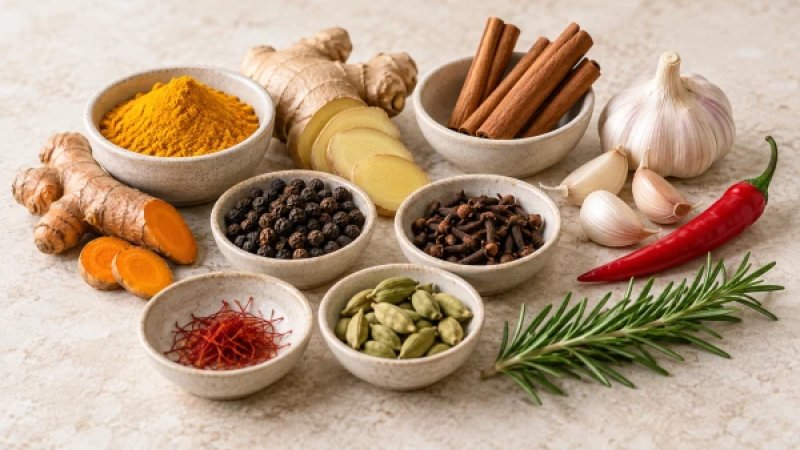
About ten spices that should be included in the diet, [reported](https://www.health.com/spices-that-help-fight-inflammation-12074167) by Health. The authors emphasize that most pronounced effects were studied using concentrated supplements rather than regular culinary portions. Inflammation is a normal protective response of the body to infection or injury. Problems arise when it becomes chronic: prolonged inflammatory processes are linked to cardiovascular diseases, diabetes, and some other disorders. ## Turmeric The main active compound in turmeric is curcumin. It has antioxidant properties, and studies on curcumin supplements have shown a reduction in some inflammatory markers, including C-reactive protein. Black pepper enhances the absorption of curcumin but can also affect drug metabolism. As a spice, turmeric can be added to soups, rice, sauces, and roasted vegetables. ## Ginger Ginger contains gingerols and shogaols—compounds that are being studied for their effects on inflammatory processes. In some studies, ginger supplements helped reduce muscle pain, joint stiffness, and digestive discomfort. Fresh root can be added to tea, soups, and vegetable dishes, while ground ginger can be used in baking and spice mixes. ## Cinnamon Cinnamon contains cinnamaldehyde and other antioxidant compounds. Studies on supplements indicate a possible moderate effect on inflammation markers and glucose metabolism, although results remain inconsistent. Cinnamon pairs well with cereals, fruits, yogurt, and coffee. It should not be consumed in large amounts: common cinnamon (cassia) contains coumarin, an excess of which can harm the liver. ## Garlic When garlic is crushed, sulfur-containing compounds, including allicin, are formed. They are studied for their potential antioxidant, anti-inflammatory, and antimicrobial effects. Garlic can be added to soups, sauces, grains, and vegetable dishes. However, it does not prevent or treat viral infections. Garlic supplements may increase the risk of bleeding in people taking anticoagulants. ## Cayenne Pepper The spicy taste of cayenne pepper comes from capsaicin. This compound affects receptors involved in pain perception and is being studied for its potential influence on inflammatory processes. For therapeutic purposes, capsaicin is more commonly used topically in creams and patches. In food, hot pepper should be added gradually, especially for those prone to heartburn or stomach irritation. ## Black Pepper Black pepper contains piperine—a substance that can enhance the absorption of certain compounds, including curcumin. Laboratory and small clinical studies indicate its potential anti-inflammatory properties, but convincing data on the therapeutic effect of regular portions of pepper is still lacking. Piperine may also alter the absorption and action of medications, so concentrated supplements require caution. ## Cloves The main active compound in cloves is eugenol. It has antioxidant properties and is being studied for its potential antimicrobial and analgesic effects. A small amount of ground cloves can be added to tea, cereals, baked goods, and fruit dishes. Concentrated clove oil should not be taken internally without medical advice: in large doses, it is toxic. ## Rosemary Rosemary contains rosmarinic and carnosic acids—compounds with antioxidant properties. Most data on their anti-inflammatory effects come from laboratory studies and animal experiments. Fresh or dried rosemary goes well with potatoes, poultry, meat, and roasted vegetables. ## Saffron Saffron contains crocin and safranal. These substances are being studied for their potential effects on oxidative stress, inflammatory markers, and mood. For dishes, a few strands of saffron are sufficient. High doses are unsafe, especially during pregnancy, so concentrated supplements should not be used without consulting a doctor. ## Cardamom Cardamom contains essential oils and other plant compounds with antioxidant properties. In some studies, taking about three grams of cardamom per day was associated with a reduction in some inflammatory markers in people with prediabetes or type 2 diabetes. However, the number of such studies is small. In cooking, cardamom can be used in cereals, baked goods, rice, curry, and hot drinks. ## How to Properly Add Spices to Your Diet Spices are best used as part of a varied diet: add them to vegetables, grains, soups, and other dishes instead of excessive amounts of salt or sugar. A pinch of spice and a concentrated capsule are not the same thing. Supplements with curcumin, cinnamon, garlic, saffron, and other plant extracts can interact with medications. Special caution is needed for people with liver and gallbladder diseases, pregnant women, and those taking anticoagulants, blood sugar-lowering, or other prescription medications. Spices make the diet more diverse and allow for greater intake of plant compounds, but they are not a standalone remedy for chronic inflammation. The most important factors are overall nutrition, physical activity, sleep, quitting smoking, and treating conditions that support the inflammatory process.
