

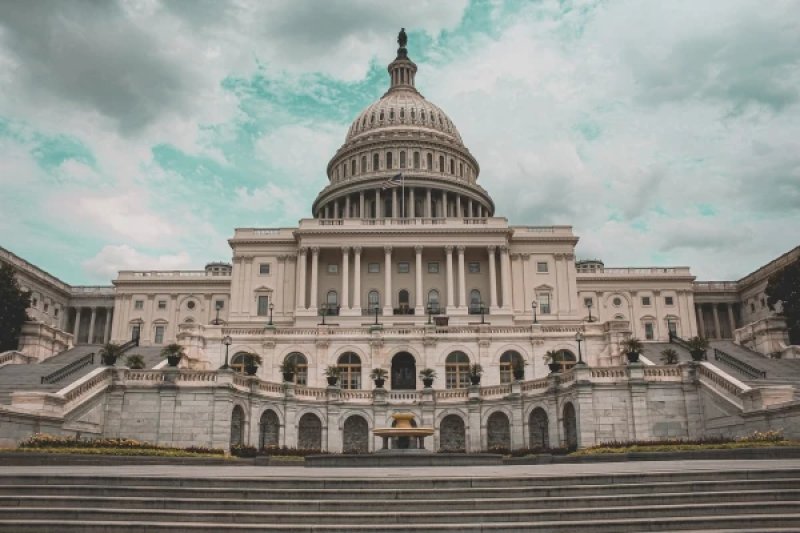
The U.S. House of Representatives on Wednesday finally approved a bill to significantly strengthen sanctions against Russia. The document was supported by 262 congressmen, while 159 voted against it. It is now sent to President Donald Trump for his signature, who previously stated that he intends to sign it. Back in August, the bill was supported by the Senate with a majority of 86 votes to 11. After the vote in the House of Representatives, Congress completed the procedure for its adoption. The document provides for new sanctions against the Russian energy and defense sectors, Russian officials, including President Vladimir Putin, as well as against the so-called "shadow fleet" of tankers, which, according to Western countries, is used to circumvent existing restrictions. One of the key provisions of the law expands the powers of the U.S. president in trade matters. He gains the right to impose tariffs of up to 100% on the largest buyers of Russian oil and gas, including China and India. This measure is expected to increase economic pressure on Moscow by reducing Russia's export revenues. This point became the subject of the most heated debates in Congress. Some Democrats opposed the bill, fearing an expansion of presidential powers in foreign trade matters. Nevertheless, the document received bipartisan support and was passed by a majority vote. Ukrainian President Volodymyr Zelensky previously supported the bill, urging American lawmakers to increase sanctions pressure on Russia. Proponents of the document believe that additional restrictions should raise the economic cost of continuing the war. The bill is named after Republican Senator Lindsey Graham, who was one of its main initiators and passed away in July 2026. After his death, the consideration of the document received additional support in Congress. After being signed by the president, the law will come into force, but the implementation of some of the proposed measures will depend on decisions made by the U.S. administration and the mechanism for their implementation.
