

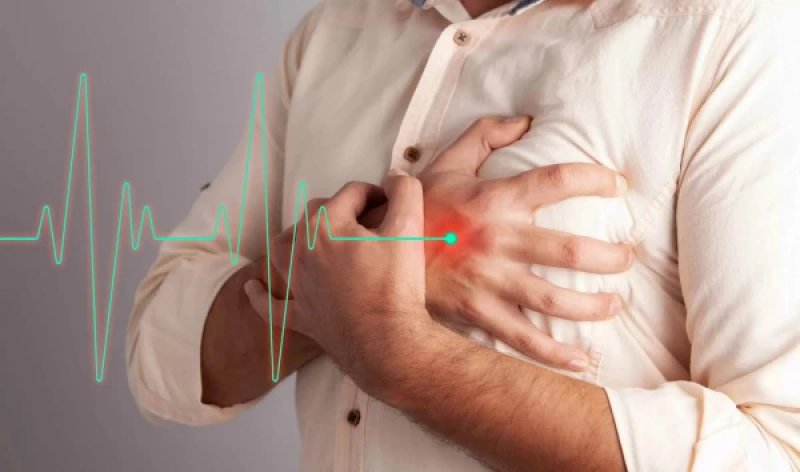
According to the publication "On Retirement" citing cardiologist Lilia Maiorova, timely examinations help detect cardiovascular disorders before severe complications develop. The listed symptoms are not necessarily related to the heart: similar manifestations can occur with diseases of the lungs, kidneys, thyroid gland, anemia, infections, and other conditions. Only a doctor can determine the cause. ## Why the First Signs Are Easily Missed People with already diagnosed hypertension, arrhythmia, or ischemic heart disease usually know which indicators they need to monitor. They measure their blood pressure, take prescribed medications, and undergo examinations periodically. It is more difficult for those who have not previously had noticeable heart problems. Gradually appearing shortness of breath can be explained by a lack of physical activity, weakness by overexertion, and swelling by hot weather or uncomfortable shoes. However, the combination of several symptoms, their intensification, or their appearance during usual activities should prompt a visit to the doctor. ## Eight Symptoms That Require Attention ### 1. Swelling of the Feet and Lower Legs Swelling of the lower extremities can occur if the heart is not efficiently pumping blood, causing fluid to accumulate in the tissues. Usually, they are more noticeable in the evening and may be accompanied by a feeling of heaviness, rapid weight gain, or abdominal bloating. However, swelling does not only occur with heart failure. Other causes may include kidney, vein, or liver diseases, side effects of medications, or prolonged sitting or standing. It is especially important to see a doctor if the swelling appears suddenly, is noticeable only in one leg, is accompanied by pain, redness, or shortness of breath. ### 2. Persistent Cough A prolonged cough that worsens when lying down or at night can sometimes be associated with fluid congestion in the lungs due to heart failure. It should raise concern if it is accompanied by shortness of breath, swelling, rapid heartbeat, or the inability to sleep without a high pillow. Coughs are much more often caused by respiratory diseases, allergies, reflux, or certain medications. Therefore, it is incorrect to label any dry cough as "cardiac." A cough with pink frothy sputum and pronounced shortness of breath requires emergency assistance. Shortness of breath, nighttime cough, swelling, and weakness are indeed possible signs of heart failure, according to [NHS](https://www.nhs.uk/conditions/heart-failure/) and the [American Heart Association](https://www.heart.org/en/health-topics/heart-failure/warning-signs-of-heart-failure). ### 3. Shortness of Breath Occurs Shortness of breath during brisk walking or intense activity can be a natural response of the body. An examination is necessary if breathing has become noticeably more difficult during usual tasks, when walking calmly, climbing one flight of stairs, or even at rest. It is also dangerous if a person wakes up at night due to a lack of air or is forced to sleep in a semi-sitting position. The cause may be heart failure, arrhythmia, lung disease, anemia, or another condition. Sudden severe shortness of breath, especially when accompanied by chest pain, cold sweat, bluish lips, or loss of consciousness, is a reason to immediately call 112. ### 4. Heart Palpitations Are Felt Palpitations can be felt as a pause, missed beat, fluttering, sudden acceleration, or strong beats in the chest. Sometimes it occurs after physical exertion, stress, caffeine, or alcohol consumption and passes quickly. But regularly recurring palpitations, especially when combined with weakness, shortness of breath, dizziness, chest pain, or fainting, may indicate arrhythmia. In such a situation, it is necessary to see a doctor and have an electrocardiogram done. Sometimes, prolonged ECG monitoring is required to detect episodic arrhythmia. ### 5. Blood Pressure Deviates Significantly from Normal Values High blood pressure often does not cause pronounced symptoms for a long time but gradually increases the load on the heart and blood vessels. Therefore, one cannot rely solely on how one feels — blood pressure must be measured correctly and in a calm state. A single deviation does not yet indicate a disease: results can be affected by stress, physical activity, coffee, medications, and measurement errors. A doctor should be consulted if readings regularly remain high or, conversely, if blood pressure becomes unusually low and is accompanied by weakness, dizziness, or pre-fainting states. ### 6. Fatigue Does Not Go Away Constant weakness, reduced endurance, and fatigue during usual activities can sometimes occur when organs and muscles receive insufficient blood and oxygen. A person finds it more difficult to walk, climb stairs, shop, or perform routine household tasks. However, fatigue is an extremely nonspecific symptom. It can be related to lack of sleep, stress, anemia, infection, depression, thyroid dysfunction, and many other causes. Particular attention is required for weakness that appears suddenly, gradually intensifies, or is accompanied by shortness of breath and discomfort in the chest. ### 7. Dizziness or Fainting Occurs Short-term dizziness can be caused by dehydration, a sudden rise from bed, low blood sugar, anemia, or inner ear problems. However, sudden loss of consciousness, especially during physical exertion, is sometimes associated with arrhythmia or other cardiovascular diseases. Fainting accompanied by chest pain, strong palpitations, shortness of breath, cold sweat, or speech and movement disturbances requires emergency medical assistance. If loss of consciousness recurs, examination is necessary even if recovery is rapid. ### 8. Pain or Pressure in the Chest Appears A dangerous signal can be not only sharp pain. When blood supply to the heart is disrupted, a person often feels pressure, squeezing, heaviness, burning, or unusual discomfort in the center or left side of the chest. Unpleasant sensations may radiate to the arm, shoulder, back, neck, or jaw. Symptoms often occur during physical exertion or severe stress and are accompanied by shortness of breath, nausea, weakness, and cold sweat. Moreover, a heart attack does not always manifest the same way: in some people, especially women, elderly patients, and those with diabetes, shortness of breath, nausea, and sudden weakness may be more pronounced. If the squeezing pain or discomfort in the chest does not go away within a few minutes, returns in waves, or is accompanied by shortness of breath, cold sweat, and radiating pain to the arm or jaw, it is necessary to immediately call for help at 112. One should not drive oneself to the hospital. Such symptoms are classified by official medical services as possible signs of a heart attack ([NHS](https://www.nhs.uk/conditions/heart-attack/), [CDC](https://www.cdc.gov/heart-disease/about/heart-attack.html)). ## What Examinations a Doctor May Prescribe First, the specialist will ask about complaints, chronic diseases, medications taken, and family history. Then they will measure blood pressure and pulse, listen to the heart and lungs, and assess for the presence of swelling. Depending on the symptoms, the following may be required: * electrocardiogram; * prolonged ECG monitoring; * echocardiogram; * blood and urine tests; * glucose and cholesterol level determination; * chest X-ray; * exercise test or other studies. The set of examinations is determined by the doctor. One should not self-diagnose based on a single symptom or undergo all possible tests without indications. ## Who Is in the High-Risk Group The likelihood of cardiovascular diseases increases due to hereditary predisposition, high blood pressure, elevated cholesterol levels, diabetes, smoking, excess body weight, and insufficient physical activity. An unbalanced diet, excessive salt intake, alcohol abuse, chronic stress, and age also play an additional role. However, heart diseases also occur in young people, so unusual or rapidly worsening symptoms should not be ignored solely due to the absence of age-related risk factors. ## How to Reduce Risk The basis of prevention remains quitting smoking, moderate physical activity, proper nutrition, and weight control. It is recommended to increase the proportion of vegetables, fruits, legumes, whole grains, and fish in the diet while simultaneously limiting salt, highly processed foods, excess sugar, and saturated fats. It is beneficial to regularly monitor blood pressure, sugar, and cholesterol levels — the frequency of checks is best coordinated with a family doctor considering age and risk factors. For people with an already established diagnosis, it is important to take prescribed medications and not change treatment independently. The main thing is to assess not a single symptom, but changes in well-being as a whole. If usual activities suddenly become more difficult, shortness of breath, swelling, heart palpitations, or recurring dizziness appear, a visit to the doctor should not be delayed. In cases of severe chest pain, pronounced shortness of breath, or loss of consciousness, immediate assistance is necessary.
