

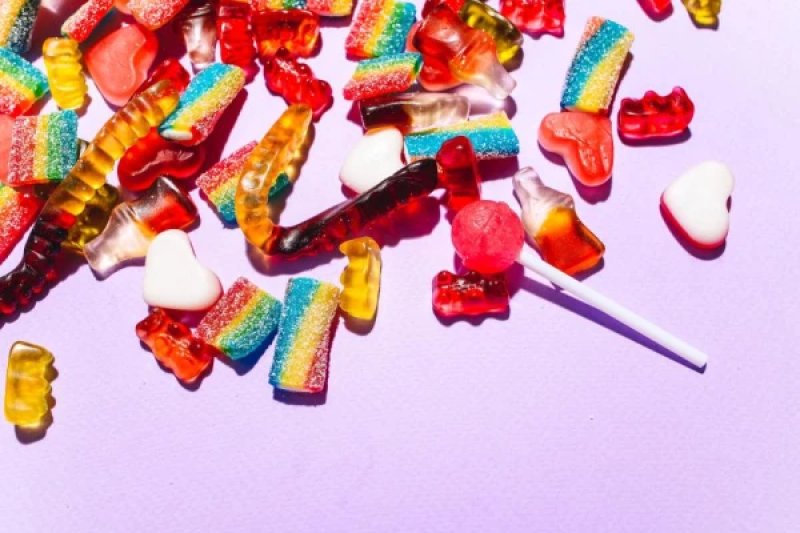
The grocery basket of many of us consists of tasty but not always healthy products: sweets, pastries, snacks, and a glass of wine on weekends. But how do our eating habits affect our skin and body as a whole? What changes can be expected and how long will they manifest when refusing certain products, will be explained by a dermatologist and cosmetologist. How the Skin Changes When Sugar is Excluded In the first week without sugar, one can notice the first changes on the scale — up to one and a half kilograms can be lost. This is due to the loss of water that was retained by fast carbohydrates. After the second week, the condition of the skin will noticeably improve: the number of breakouts on the face will decrease, pores will become less noticeable, and oily shine will disappear. After a month without sweets, one can lose 4-5 kg. The condition of the body will pleasantly surprise: cellulite will disappear, and the skin will become firmer and smoother. Metabolism will accelerate, helping to avoid weight regain. The skin of the face will become denser, glycation of collagen will decrease, which will reduce the visibility of wrinkles. Sugar is the cause of not only inflammation on the face but also on other areas of the body. According to a study published in the American Journal of Clinical Nutrition, giving up sugary soft drinks reduces acne manifestations by 87%. This is a significant argument for reducing the consumption of sweets. What Happens When You Give Up Pastries The quality of the skin directly depends on our diet. For example, gluten found in flour can provoke clogged pores, acne, and comedones. Gluten remains on the villi of the intestines, not being fully eliminated from the body. With a decrease in bread consumption, the growth of pathogenic bacteria and fungi in the intestines slows down, positively affecting the condition of the skin on the face and body, reducing the processes of collagen glycation — the skin becomes denser and more even in texture and tone. After a week of giving up baked goods, one can notice the first changes: acne decreases, the number of comedones reduces, and skin reactivity decreases. More than 65% of people who eliminated white bread from their diet lost weight within the first two weeks — this is a good reason to reduce or completely give up flour products. What Happens When You Remove Salt from Your Diet It is necessary to monitor salt intake, as it can provoke swelling by accumulating excess water in the body. The norm for salt is considered to be 11 grams per day. It is not necessary to completely give up salt; it is enough to control its consumption. Salt (NaCl) is important for our lymph, blood plasma, and extracellular fluid. It regulates the acid-base and water-salt balance in the body. Salt is also a natural antibiotic that destroys bacteria in food. What happens if salt is completely removed? This would be unfavorable for the body. However, reducing its consumption will help eliminate swelling. From a cosmetic perspective, one can expect a reduction in the visibility of jowls, nasolabial folds, and double chin, as well as the disappearance of bags under the eyes. What Happens When You Give Up Alcohol Excluding alcoholic beverages from the diet normalizes the state of the entire body: liver function, brain function, cardiovascular, and nervous systems are restored. The face also transforms after a week without alcohol: swelling goes away, and dark circles under the eyes decrease or disappear. After three weeks, the visibility of blood vessels on the face decreases, the gray tone of the skin changes to a radiant and healthy one, and fine wrinkles become less noticeable. It should be noted that alcohol stimulates appetite, and during a feast, a person consumes 40% more than the necessary norm. A month without alcohol can be compared to a non-intrusive diet, the results of which will pleasantly surprise.
