

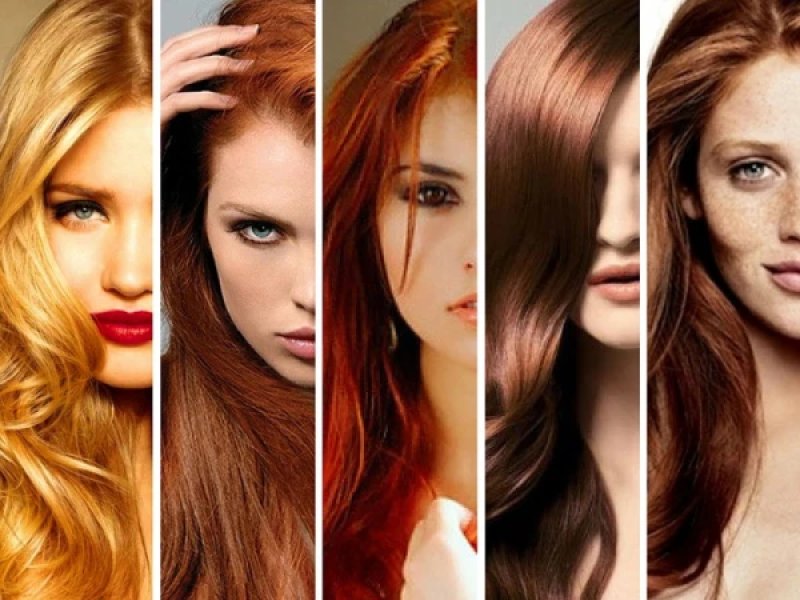
The desire to drastically change one’s appearance is familiar to many women. It is especially tempting to choose a trendy shade seen on a celebrity or model on social media. But the same hair color can look completely different on different people. The reason lies in the combination of skin tone, eye color, and natural hair color. Therefore, when choosing a dye, it is much more useful to focus on your own appearance rather than the latest fashion trend. ## First, Determine Your Skin Undertone One of the main indicators is whether you have a warm or cool skin undertone. If your appearance belongs to the **cool type**, the following shades usually look more harmonious: * ash blonde; * cool light brown; * platinum shades; * deep dark tones with a cool undertone; * some burgundy shades. With a **warm undertone**, you should look at a different palette: * golden blonde; * honey shades; * caramel tones; * warm chestnut; * copper. The basic principle is simple: cool shades often harmonize better with cool appearances, while warm shades suit warm ones. But how can you determine which category you belong to? ## Test #1. Look at Your Eyes Eye color can provide the first clue. If there are golden, amber, or warm brown flecks in the iris, this may indicate a warm palette. Gray, blue, and some cool green shades are more often associated with the cool type. You can also focus on the primary color of your eyes. **Blue and gray eyes** often appear more expressive when paired with cool light hair shades. **Brown and hazel** eyes look good with caramel tones and the effect of slightly sun-bleached strands. And **green eyes** can look particularly vibrant against soft copper and reddish shades. However, eye color is just one of the indicators. There are several other ways to check the result. ## Test #2. Take Gold and Silver This is a simple home method to determine which palette suits your face better. It’s best to conduct the experiment during the day, in natural light, and without makeup. Take two items, one gold and one silver — the original method suggests using foil — and alternately bring them close to your face. Look not so much at the metal itself, but at how your face changes next to it. Pay attention to which option: * makes your skin look fresher; * makes your eyes appear brighter; * makes dark circles under your eyes less noticeable; * makes your face look more harmonious overall. If silver wins, you are likely closer to a cool palette. If your appearance noticeably livens up next to gold, you should consider warm hair shades. And if both silver and gold look equally good, you may have a neutral undertone. In this case, the choice is significantly wider: both warm and cool colors can look good. ## Test #3. Wear a White T-Shirt It’s even easier to conduct an experiment with regular white clothing. Wear a white t-shirt or hold a white fabric to your face and approach a window. It’s better to turn off artificial lighting, as it can alter the perception of skin tones. Now take a close look at your face. If your skin appears slightly pinkish or bluish next to the white, this may indicate a cool undertone. If golden or yellowish tones become more noticeable, a warm undertone is more likely. Don’t make a conclusion based on a quick glance. It’s better to look at yourself in daylight several times. ## Test #4. Check Your Wardrobe Sometimes the answer is already hanging in your closet. Think about which colors of clothing you often receive compliments on and in which shades your face looks the freshest. The cool type usually looks better in black, gray, blue, and cool blue. Warm appearances often harmonize with beige, brown, cream, orange, and terracotta shades. If a certain group of colors consistently makes your face look fresher, this can be an additional clue when choosing a hair dye. ## Don’t Change Your Color Too Drastically at First Even if the tests show that a completely new palette theoretically suits you, there’s no need to rush into radical dyeing. Especially if you have not changed your natural color much before. For the first experiment, it’s wiser to choose a shade that is about two to three tones lighter or darker than your natural color. This way, it’s easier to understand if you like the new look, and any possible mistake won’t be too noticeable. You should also consider the practical side of dyeing. Making hair darker is usually significantly easier than lightening it a lot. Intensive lightening can damage the hair structure, and the more the new color differs from the natural one, the more noticeable the growing roots will be. Therefore, a radical change in shade also means more regular dyeing. ## Don’t Trust the Photo on the Dye Box When dyeing at home, there’s another common mistake — choosing a dye solely based on the photo of the model on the packaging. The result on your own hair can differ significantly. So it’s better to pay attention to the number and name of the shade, the palette of the specific manufacturer, and recommendations regarding the original hair color. The same dye on light brown, chestnut, and previously dyed hair can yield different results. ## How to Keep Your New Shade Longer Choosing the right color is only half the battle. Without proper care, even a beautiful shade can quickly lose its intensity. After dyeing, it’s advisable to use shampoo and conditioner designed for colored hair, and when styling, use products that help protect the color. Very hot water is also not the best ally for colored hair, so it’s advisable to lower the temperature when washing. Additionally, color can change more quickly under prolonged exposure to sunlight, so it’s important to protect your hair from intense sun. The ideal hair color is not necessarily the trendiest. It’s much more important that it harmonizes with your skin and eyes, makes your face look fresher, and highlights your features. You can determine the direction with four simple clues: look at the shades of your iris, compare gold with silver, conduct the white clothing test, and analyze the colors in your wardrobe. And if you want serious changes, it’s safer to move gradually. Sometimes changing just two to three tones yields a much more impressive result than a radical transformation from brunette to blonde or vice versa.
