

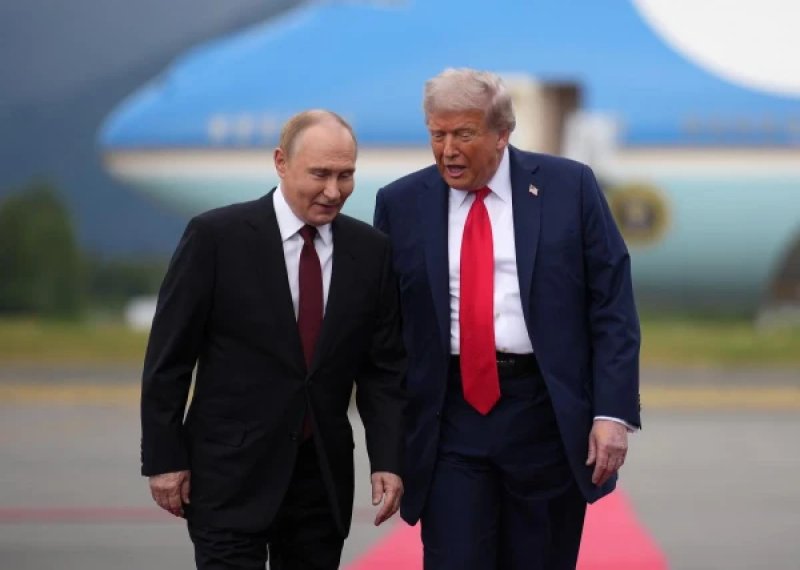
The administration of U.S. President Donald Trump is considering the possibility of entering into economic agreements with Russia even before hostilities in Ukraine cease. According to American officials, such arrangements could serve as an additional incentive for Vladimir Putin to agree to end the war. This is reported by The New York Times, citing two people close to the negotiations. According to one U.S. official, Washington believes that early business agreements could demonstrate to Moscow the seriousness of the U.S. intentions to reset relations with Russia. This approach differs from Trump's previous position. Last year, the American president stated that the United States would not enter into major economic agreements with Russia until the war was resolved. Now, however, the U.S. administration appears to be trying to combine pressure on the Kremlin with potential economic benefits. ## ## The U.S. is simultaneously increasing sanctions pressure At the same time, the U.S. Congress has passed a comprehensive bill on new sanctions against Russia. On September 16, the House of Representatives supported the document with a vote of 262 to 159 after it was approved by the Senate in August. The bill provides for tightening restrictions on the Russian energy and financial sectors, representatives of the Russian authorities, banks, and the so-called "shadow fleet." The U.S. president also gains the ability to impose tariffs of up to 100% on countries purchasing Russian energy resources. The document has already been sent to Trump for signature. Thus, Washington is simultaneously considering two tools for influencing Moscow – tightening sanctions and potential economic incentives. Supporters of sanctions in Congress believe that increased economic pressure should compel the Kremlin to agree to negotiations. At the same time, the White House is looking for additional ways to persuade the Russian leadership to cease hostilities. ## ## What agreements could be offered to Moscow So far, a specific list of possible agreements has not been disclosed. At the same time, following Putin's meeting with Trump's special representatives Steve Witkoff and Jared Kushner in Moscow on September 5, Kremlin advisor Yuri Ushakov stated that the parties discussed economic issues and potential major Russian-American projects in detail. Russia has long sought to offer Washington various options for economic cooperation – from joint projects in the extractive industry to collaboration in the Arctic and energy trade. According to sources close to the negotiations, Trump's team believes that certain agreements before the end of the war could convince part of the Russian elite of the reality of future improvement in relations with the U.S. ## ## Negotiations are stalled over territorial issues One of the main obstacles remains the issue of territories. During recent negotiations, the Russian side insists on its demands regarding control over part of the Donetsk region. Ukraine is unwilling to voluntarily cede territories it controls. Kushner, speaking at a meeting of international supporters of Ukraine in Kyiv, stated that Putin has already outlined his "line of achievement," but Ukraine is not willing to retreat to it. According to Kushner, the task of the American administration as a mediator is to find a solution that would allow both sides to move forward. Washington's new approach may indicate an attempt to change tactics after negotiations on territorial concessions have stalled.
