

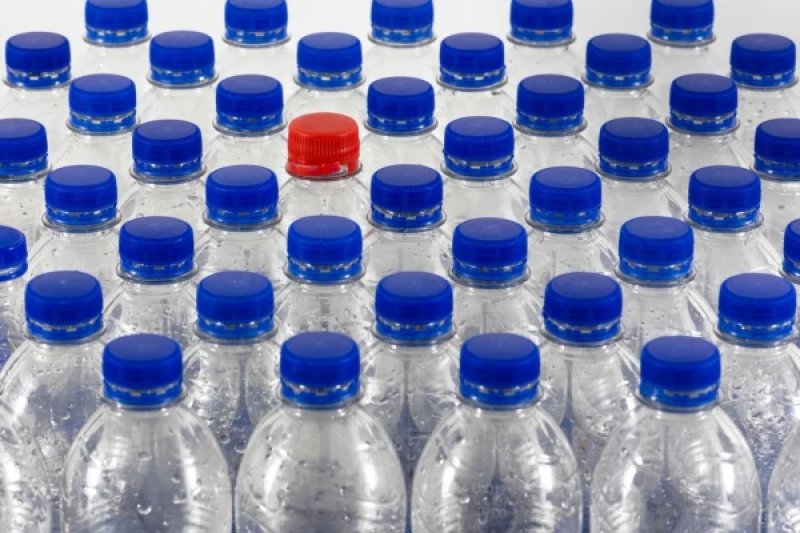
The European Union aims for an increasing share of materials used for producing new packaging to come from previously recycled plastic. This requirement may prompt consumers to notice differences on store shelves. ## ## Bottles May No Longer Be Perfectly Clear PET bottles (a durable and lightweight thermoplastic used for making bottles) with a higher proportion of recycled material do not always look the same as packaging made predominantly from new plastic. "Depending on the quality of the raw materials and the technological process used, the plastic may acquire a slightly different shade. In the case of recycled PET, phenomena such as graying, yellowing, or changes in the transparency of the material are known. Research on PET recycling shows that the optical properties of the material are one of the parameters that manufacturers must control during the recycling process," the publication notes. In practice, this means that some bottles may appear less crystal clear than those customers are accustomed to. However, this is not an EU requirement regarding the production of gray or yellowish bottles. Specifically, the regulations define the proportion of recycled plastic, and any possible change in appearance is a consequence of the technology and properties of the material used. "According to the directive on single-use plastic products, starting in 2025, beverage bottles made primarily from PET must contain at least 25% recycled plastic. However, there is an important detail. This figure is calculated as an average for all PET bottles covered by these provisions and placed on the market in the respective member state," the publication explains. This does not mean that each individual bottle on the store shelf must consist of a quarter recycled plastic. By 2030, this target will increase to 30% and will apply to beverage bottles made of plastic that fall under this regulation. ## ## Does a Different Color Mean Worse Quality of the Drink? "One should not draw such a conclusion solely based on the color of the packaging. The material obtained from recycling and intended for contact with food products must meet safety requirements. The European Food Safety Authority evaluates the recycling technologies of PET, which is subsequently used to produce materials that come into contact with food products," the publication assured. The approved processes assess the effectiveness of removing potential contaminants from the material obtained from used packaging. Therefore, less transparent or slightly colored plastic does not in itself mean that the drink inside has worse quality.
