

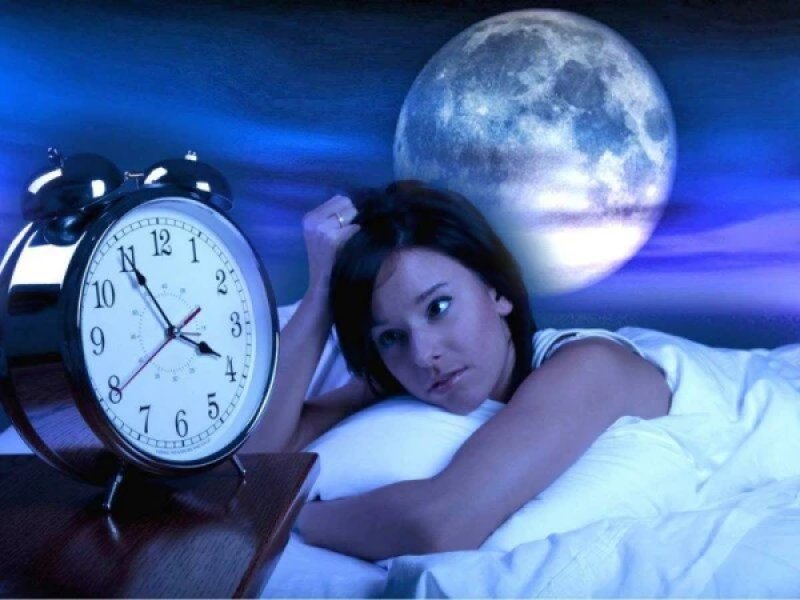
The name Harvest Moon comes from the agricultural calendar of European farmers: in the past, when there was no electricity and the daylight was becoming shorter, the satellite provided farmers with extra hours to work in the fields. The indigenous peoples of North America refer to this full moon as the Corn Moon — it served as a signal for harvesting corn, pumpkins, and beans. Despite its agricultural origins, this full moon carries different meanings in other cultures. For example, in China, it coincides with the Mid-Autumn Festival, when it is customary to admire the Moon and eat traditional pastries – mooncakes. In Korea, Chuseok is celebrated at this time – a harvest festival and a time for honoring ancestors, while in Japan, it is Tsukimi, the moon-viewing festival. In Latvia, Mikeli is celebrated. – On this night, pay attention to the color of the Moon. In September, it travels across the sky on a low trajectory, and when the disk is near the horizon, its light has to penetrate through a thicker layer of the atmosphere. The air scatters blue and violet rays, allowing the warm spectrum to pass through. Therefore, instead of the usual white sphere, a yellowish or even rich orange glow is visible, which gradually changes to the normal white as the lunar disk rises, – says astronomer Evgeny Burmistrov. The position of the Moon at the horizon will create another illusion: the lower it is above the horizon, the larger it appears. When the disk is seen next to houses, trees, and uneven terrain, the brain involuntarily compares it to these objects and perceives it as larger. High in the sky, there are no such points of comparison, so the satellite looks smaller. The combination of these effects makes the September Harvest Moon especially convenient for observation. No special equipment is required to see it – it is accessible to everyone with the naked eye.
