

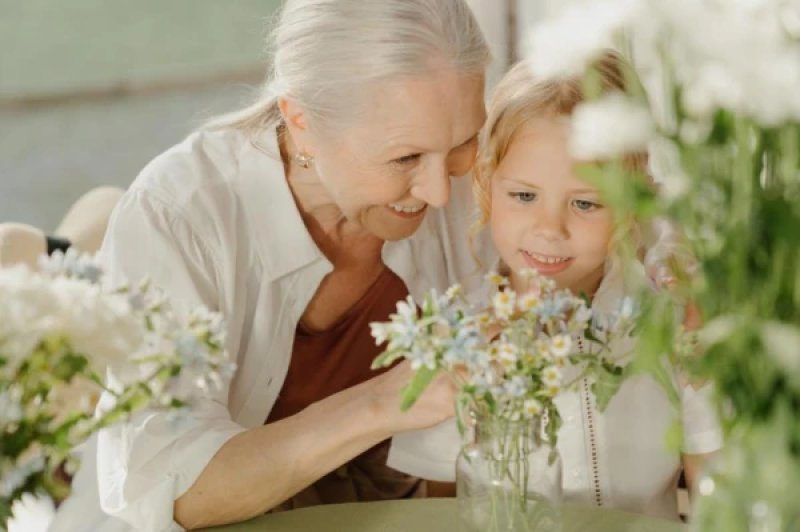
Grandmothers are traditionally referred to as the "support of the family," the main transmitters of traditions, and the best "storytellers." Therefore, the role of the older generation in raising grandchildren cannot be underestimated. If parents often show strictness and uncompromising behavior in their communication with children, grandmothers smooth out the sharp edges, surrounding them with affection and tenderness. As a result, grandchildren become attached to their beloved grandmothers from an early age, and this attachment lasts a lifetime: even as adults, they may remain emotionally dependent on their grandmother. Here are a few things that an attached grandchild expects from a loving grandmother, even when they grow up. Protection from Parents Parental strictness can sometimes be excessive. Moms and dads strive to raise their children to be competitive and strong personalities, often using phrases like: "You must be better!" or "What were you thinking?" In such moments, grandchildren who are attached to their grandmothers expect them to take their side. Despite being adults, the authority of the grandmother remains high in their eyes. From childhood, they have been accustomed to their grandmother defending them against their parents, and this need persists throughout their lives. Demonstration of Physical Warmth According to American specialist Virginia Satir, a person needs 4 hugs for survival and 12 for successful development. Unfortunately, parents, being busy with work and personal matters, often forget to hug their grown children. When they were small, moms and dads often tenderly hugged them, but this happens less frequently as they grow older. Nevertheless, the desire to physically feel warmth and tenderness does not disappear with age. Therefore, attached grandchildren want their beloved grandmother to continue hugging them just as often. Support in Difficult Moments Often, it is from grandmothers that we expect wise advice and support in challenging times. This expectation is explained by the fact that grandchildren are confident in their grandmothers' vast life experience. They can afford to pamper their grandchildren and give them what they may not have been able to provide their own children due to busyness and household concerns. Grandmothers generally do not see anything terrible in certain difficulties, as they know about real problems. They are happy to reassure their grandchildren and, with their inherent wisdom, will say that "this too shall pass." Active Interest in the Grandchild's Life In childhood, parents and grandmothers usually show interest in children's affairs, asking about school, trips, and friendships. The child becomes accustomed to this model of communication and, upon growing up, continues to expect the same questions, especially from their grandmother. For an attached grandchild, this is a confirmation of her love. Only loving grandmothers can sincerely take pride in their grandchildren's achievements, praising them in front of neighbors and relatives. They become invested in the lives of their grown grandchildren, and these moments remain in memory with great warmth. It is important for each of us to feel our significance and to sense the care of our loved ones. Sometimes, what parents forget, loving grandmothers remember. They are the ones who can give grandchildren important things and become their "beacons" of light and goodness in adult life.
