

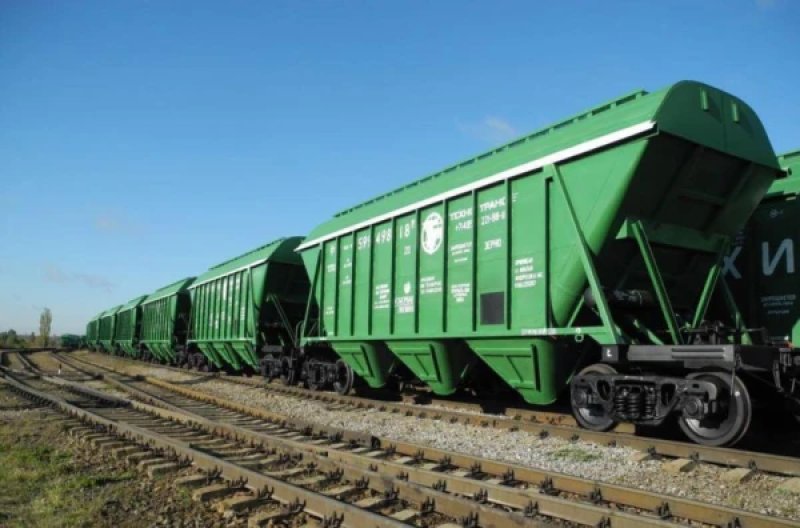
On Thursday, the Estonian government decided to impose national sanctions prohibiting the transit of Russian and Belarusian grain through the country's territory. To this end, the government decision made on September 29, 2022, regarding the ban on the import of certain goods from Russia and Belarus due to Russian aggression against Ukraine and Belarus's support for this aggression will be amended. Kozlovskis acknowledged that the Latvian side is not yet aware of all the details of the ban adopted by Estonia. "Today we learned that there is essentially no grain transit in Estonia, so it is probably easier to make such decisions there," the ministry said. Meanwhile, the subsidiary of Latvijas dzelzceļš - LatRailNet - has not yet started to implement the government's 300% increase in the fee for using the railway infrastructure for the transit of Russian grain. LatRailNet's board chair, Justina Khudenko, reported to LETA on September 21 that the company, in accordance with the Saeima's decision, began calculating a new fee for using the railway infrastructure for grain cargoes whose point of departure is in Russia. The Saeima adopted the relevant decision on September 17. It provides for an expedited review of the infrastructure fee for the transportation of grain and grain products from Russia and will remain in effect until the end of the year. Previously, the law stipulated a two-month period for publishing changes to infrastructure tariffs. This period has now been reduced to two weeks. The new rules apply to the transportation of wheat, wheat and rye mixtures, rye, barley, oats, corn, rice, sorghum, buckwheat, millet, other grains, as well as a number of processed products derived from them. The amendments were published on September 21 and came into force on the next working day. LatRailNet, as an organization distributing the capacity of the public railway infrastructure and setting fees for its use, was required to calculate the new tariff and submit it for approval within one week after the amendments were published. According to Khudenko, the fee increase is one of the tools the government intends to use to reduce the transit of Russian grain through Latvia. At the same time, LatRailNet must comply with the requirements of Latvian, European, and international legislation. The expedited procedure applies to all carriers regardless of their owner or country of registration if the transport documents indicate that the point of departure of the cargo is in Russia. The urgent amendments to the Railway Law were finally adopted by the Saeima on September 17. They will be in effect until December 31, 2026. When submitting the bill to the Saeima, the government proposed that LatRailNet consider setting an infrastructure fee for the transit of Russian-origin grain at 300% of the previous tariff. At the same time, the annotation to the bill noted potential risks: a decrease in cargo flow, legal disputes, negative consequences for transport sector enterprises, as well as potential disputes regarding the compliance of such a decision with EU transport policy norms. The government also decided that any additional income from the increased infrastructure fee, if received, would be directed to the defense needs of Ukraine in accordance with decisions to be made later. In addition, the government previously allowed the Food and Veterinary Service to take samples from transit batches of grain and conduct laboratory tests to verify the accuracy of the declared country of origin.
