

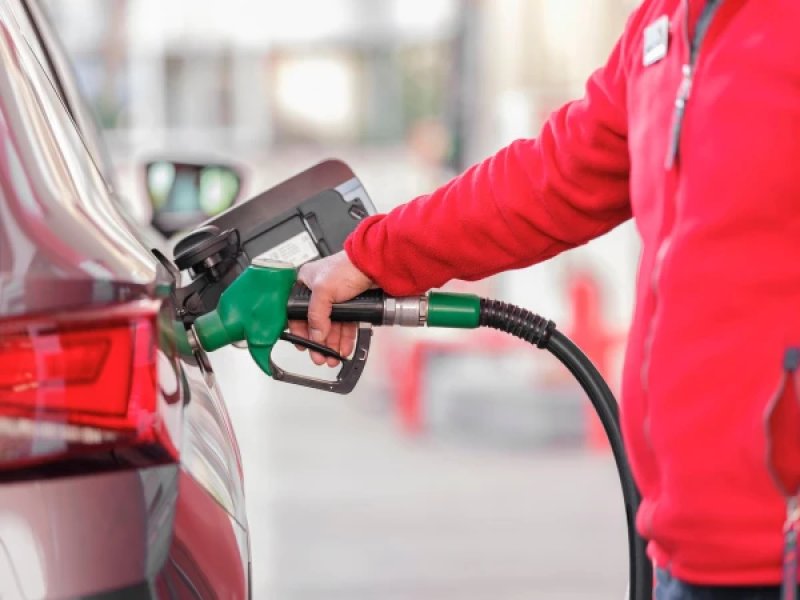
After the reduced excise rates on fuel came into effect, residents of the border areas of Lithuania have been coming to Latvia even more frequently to refuel their cars. According to [TV3 News](https://tv3.lv/zinas/arvalstis/pilna-baka-latvija-lietuviesiem-lauj-ietaupit-pat-vairakus-desmitus-eiro/), diesel fuel at Latvian gas stations is currently about 20 cents per liter cheaper than in the neighboring country. The benefit is particularly noticeable for drivers living near the border. When refueling a full tank, the savings can amount to several dozen euros. > “I live nearby, in Joniškis. Of course, we noticed the price difference, which is why we came. If prices change here, then we won’t come anymore,” said one Lithuanian driver. Another motorist noted that after applying the discount, a liter of diesel fuel in Latvia costs about 2.09 euros. > “Compared to Lithuania, it’s about 20 cents cheaper. We live close, so we can come,” he said. According to official data, back in late September, before the excise reduction, diesel fuel in Latvia was on average about 12 cents cheaper than in Lithuania. After the tax rate changes, the price gap increased. Meanwhile, residents of southern Lithuania continue to travel for cheaper fuel to Poland, where prices remain even lower. The chairman of the board of the Union of Gas Stations of Lithuania, Karolis Stasyukinas, believes that the main reason for the difference is not trade markups but tax policy. > “The Competition Council has already established that the markup of Lithuanian gas stations is the lowest in the European Union. An average margin of 2–3 cents cannot explain the difference of about 20 cents,” he noted. Against the backdrop of rising prices, the Lithuanian Seimas continues to discuss President Gitanas Nausėda's initiative to limit the mechanism for raising prices at gas stations. However, industry representatives doubt that such a measure could significantly affect fuel prices for consumers. In the spring, Lithuania temporarily reduced the excise on fuel, but this measure is no longer in effect, and no new reductions are currently planned. As an alternative, other ways to reduce motorists' expenses are being discussed, including lowering the maximum allowable speed limit to 100 km/h, which, according to the authors of the idea, would help reduce fuel consumption. The difference in fuel prices once again shows how the tax policies of neighboring countries can influence drivers' choices and stimulate cross-border trips for cheaper gasoline and diesel fuel.
