

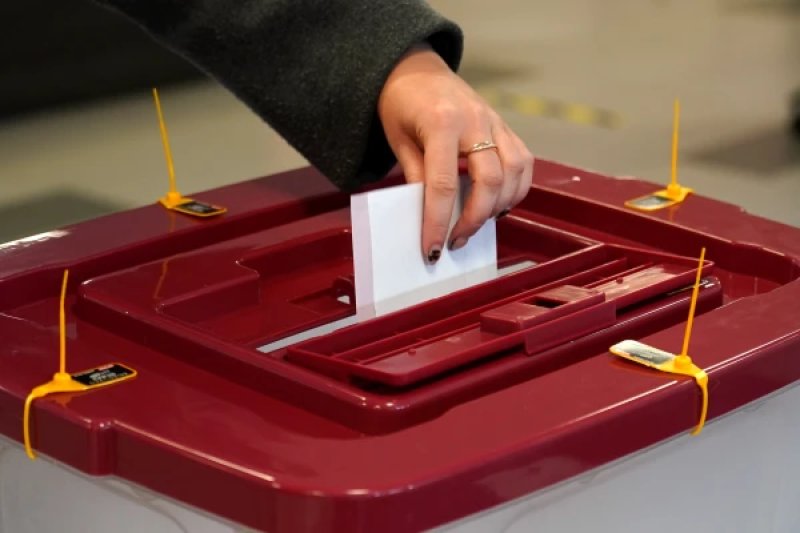
No serious violations were recorded in the Kekava region during the elections to the 15th Saeima; however, the chairman of the regional electoral commission, Aldis Teko, pointed out a potential risk associated with the procedure for repeat voting. According to him, special attention is needed to ensure that each envelope issued to a voter actually ends up in the ballot box. He cited an example during early voting when one voter, while handing over the ballot for safekeeping, did not drop the envelope into the ballot box. Since the legislation allows a person who has voted early to come to the polling station on the main election day, they receive a new set of materials. For this reason, Teko believes it is important to eliminate the situation where one person has two envelopes at the same time. He thinks this risk should have been analyzed more thoroughly in advance. At the same time, the chairman of the commission emphasized that the final result is protected by the current vote counting procedure. If a voter votes again, only their last vote is considered valid, and the previous envelope is found and set aside during the counting without being opened. This means that repeat voting in itself does not lead to the counting of two votes from one person. However, commissions need to carefully follow the procedure at all stages of voting. According to Teko, the new procedure for filling out ballots did not cause serious difficulties. Informational materials are placed on each table, and commission members provide additional explanations if necessary. Most often, elderly voters have questions. This year, there are two polling stations operating at the Kekava House of Culture instead of one. This helps to distribute the flow of people more evenly, and the queues have become shorter. Overall, the chairman of the commission assessed voter activity as high. He also reminded that the number of voters at the polling stations in the Kekava region does not reflect the exact number of residents of the region who participated in the elections. Latvian voters can vote at any polling station in the country, so some residents of Kekava choose polling stations in Riga, while residents from other municipalities come to vote in the region. After the polling stations close, the commissions will begin manual counting of the votes. First, the votes cast for party lists will be counted, followed by the marks made next to individual candidates. According to Teko, if there are no unforeseen delays, the counting may be completed around three o'clock in the morning.
