

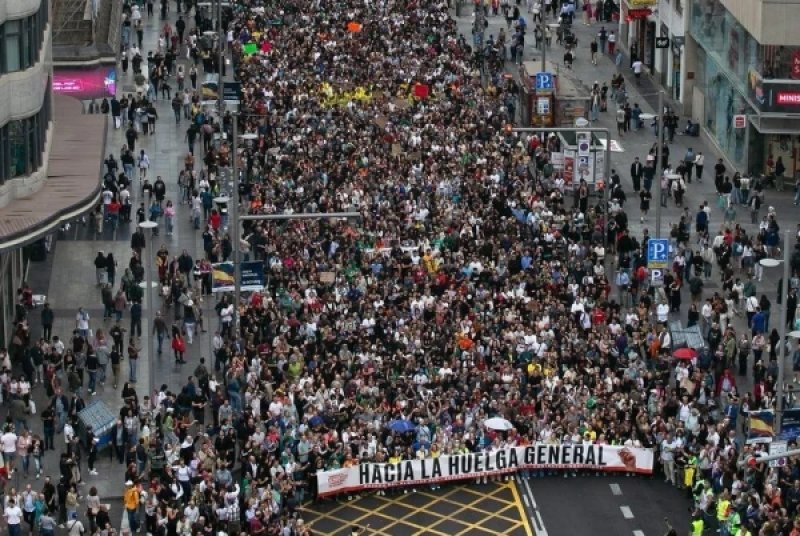
On Saturday, tens of thousands of people participated in protests in Madrid and other cities across Spain, demanding that authorities take action to address the housing crisis. According to officials, around 70,000 people participated in the demonstration in the capital, while organizers claimed there were 500,000 participants. The new wave of protests began a day after parliament rejected two government-proposed bills aimed at strengthening tenant protections and combating the effects of the housing crisis. This decision provoked a sharp reaction from protest movement participants. In central Madrid, a protest camp has been operating for about a week. Its participants are demanding faster reforms and more affordable housing for both renters and buyers. The housing issue remains one of the most pressing social problems in Spain. Housing supply is lagging behind demand, and rental and property prices continue to rise. According to the Idealista portal, in the past decade, the average rent has nearly doubled, while property prices have increased by about 90%. The rise in prices has become the main cause of widespread discontent. More and more residents are stating that renting or buying their own home is becoming unaffordable for them. Some protesters supported the call from the Tenants' Union to organize a general strike to increase pressure on the authorities. The current wave of protests was triggered by the eviction of an 87-year-old Madrid resident at the end of September, who had lived in her apartment for about 70 years. After significant public outcry, the investment company that became the owner of the building allowed the woman to return and reduced her rent. This case has become a symbol of the housing crisis in the country. The measures rejected by parliament included, in particular, automatic lease renewals and additional restrictions on the eviction of socially vulnerable tenants. The conservative People's Party (PP), the Vox party, and the Catalan party Junts opposed the initiatives, and without their support, the minority government was unable to pass the bills. The failure of the vote has become a serious political test for Pedro Sánchez's government. At the same time, the mass protests show that the issue of housing affordability remains one of the key topics on Spain's public agenda.
