

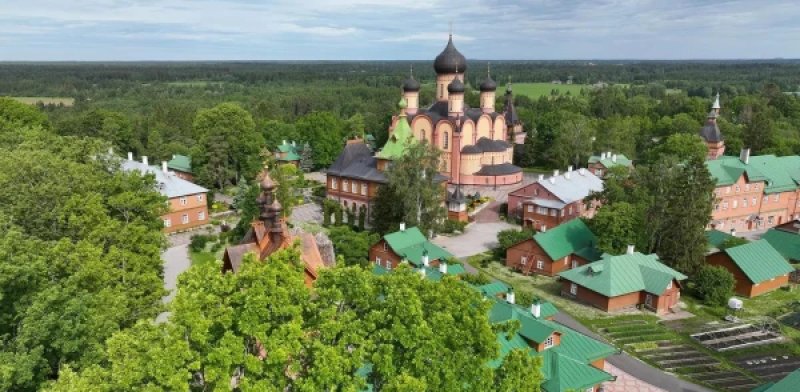
If these ties are not severed by December 28, the authorities of Estonia may seek a court order to forcibly terminate the activities of religious organizations. This was reported on October 8 by the Estonian public broadcaster ERR, citing the law firm Boutique Legal, which represents the interests of the church and the monastery. Amendments to the Law on Churches and Parishes came into effect on June 27, 2026. Religious organizations were given six months to bring their charters, governing bodies, and activities in line with the new requirements. However, representatives of the Orthodox Church believe that this is not only about administrative independence from the Moscow Patriarchate but also about state interference in the religious life of believers. "The church and the monastery are being asked not just to correct documents," said their attorney, Arthur Knyazev. In his opinion, the demands of the Ministry of Internal Affairs effectively force Orthodox believers to abandon existing church ties, which are part of their religious identity. Another lawyer, Steven-Hristo Evestus, pointed out the contradiction between the court's interpretation of the law and the demands of the authorities. On June 8, the Estonian Supreme Court upheld the law, clarifying that it prohibits administrative, not religious ties with Moscow. However, six out of 17 judges, including the court's chairman, expressed a dissenting opinion, stating that the law does not meet the requirement of legal certainty. The Pühtitsa Monastery in Kuremäe occupies a special position. It houses about 90 nuns, with an average age exceeding 60 years. The monastery has existed for over 135 years and is directly under the ecclesiastical authority of the Moscow Patriarch. Estonian authorities, for their part, explain the need for legislative changes by national security considerations. Their position is that the administrative dependence of religious organizations on the Moscow Patriarchate creates risks in the context of Russia's war against Ukraine. Despite the appeal to Strasbourg, the church continues negotiations with the Ministry of Internal Affairs. At the same time, representatives of the monastery claim that they have not received a separate invitation for a meeting with the ministry. Now the dispute over where the boundary lies between ensuring state security and protecting freedom of religion has been brought to the international judicial level. The mere fact of filing a complaint does not mean that the European Court of Human Rights has recognized a violation of believers' rights or accepted the case for substantive consideration.
