

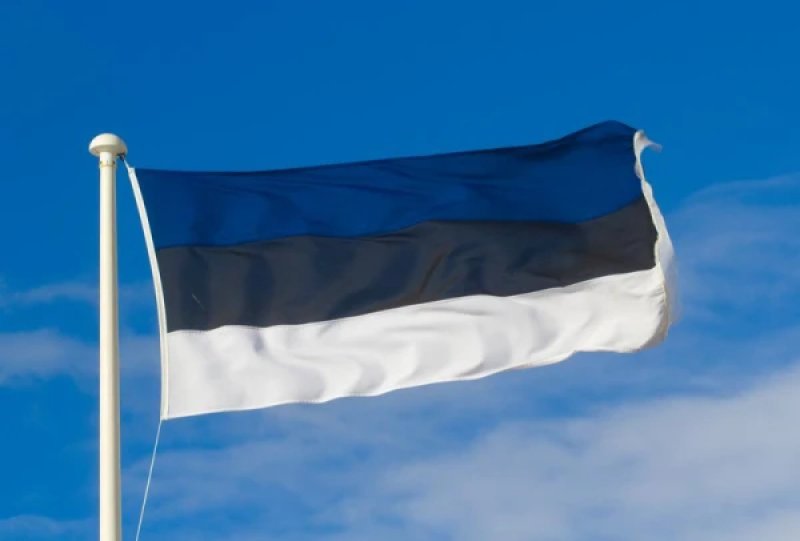
The initial draft prepared by the EU's foreign policy service proposed sanctions against 744 individuals and 827 legal entities; however, one legal entity and one individual were excluded from the final version agreed upon by the ambassadors of the member states on Wednesday. "This concerns a Russian company that supplies rare earth metals to the Estonian company 'Silmet', where this raw material is processed into materials necessary, in particular, for the production of wind turbines and other products in the European Union. The company is seeking an alternative source of supply," noted Rickard Jozwiak, an editor on European issues for Radio Free Europe, on the social network 'X'. Estonia requested the exclusion of the Solikamsk Magnesium Plant and its director Ruslan Dimukhametov from the list, as the enterprise supplies strategically important raw materials to the Estonian company 'Silmet'. "Yes, we requested to remove this Russian company and the associated individual from the list, which has nearly 1,600 entries and was approved by the ambassadors today. The company supplies Europe with strategically important materials for the Estonia-based company 'Silmet'," acknowledged Kerstina Lepik, the press representative of Estonia's permanent representation to the EU, in response to a question from Radio Free Europe. European manufacturers of electric vehicles and wind turbines, as well as the EU's electronics, automotive, and aviation industries, rely on 'Silmet' products, Lepik pointed out, adding that Estonia will reconsider the inclusion of this Russian company and the associated individual in the sanctions list next year. 'Silmet', located in Sillamäe in northeastern Estonia, processes rare earth and rare metals. In turn, the Solikamsk Magnesium Plant produces concentrates of rare earth metals, as well as products made from niobium, tantalum, titanium, and magnesium. From 2023 to 2024, the plant came under the control of the Russian state corporation 'Rosatom'. It is expected that the sanctions package agreed upon by the ambassadors will be officially approved by the foreign ministers of the member states on Monday.
