

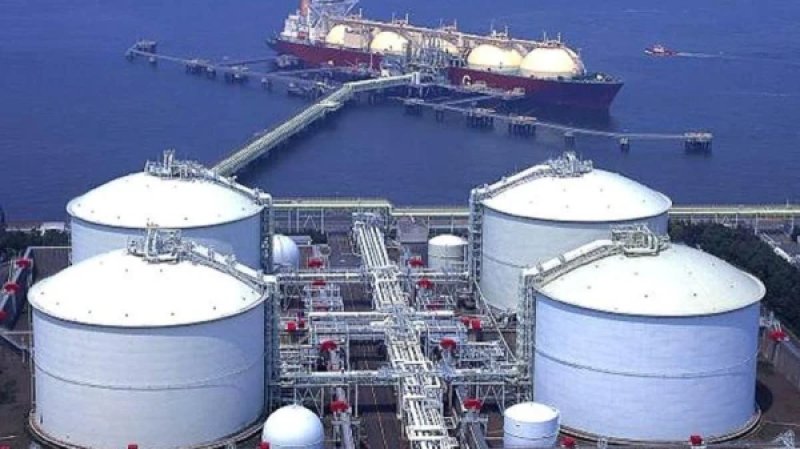
The European Union may face a shortage of up to 14 billion cubic meters of natural gas this winter — about 7% of total demand and enough to supply energy to 10–12 million households. This conclusion was reached by analysts at the American center IEEFA, and similar estimates are included in the new forecast from the European Network of Transmission System Operators for Gas (ENTSO-G), writes [POLITICO](https://www.politico.eu/article/eu-faces-gas-supply-shortage-iran-war-winter-looms/). The main problem is that European gas storage facilities are currently filled to just over 70% — the lowest level for the start of the heating season since 2011. According to experts, traders found it more profitable to sell gas due to high prices during the summer than to inject it into underground storage. The situation is complicated by disruptions in the global energy market related to the ongoing conflict surrounding Iran. Against this backdrop, the ability to quickly replenish the missing volumes of gas remains limited, especially if the upcoming winter turns out to be cold. At the same time, analysts emphasize that this does not mean that gas in Europe will necessarily run out. However, by the end of winter, reserves may be about 7 billion cubic meters below the expected level. In such a case, countries will either have to purchase additional volumes of fuel at high prices or limit consumption in the event of supply shortages. According to Ana Yaller-Makarevich, the leading European energy analyst at IEEFA, record-low reserves leave the EU with "less buffer" and make it more vulnerable to supply disruptions and sharp price fluctuations. If storage facilities are significantly depleted this winter, replenishing them next year will become even more difficult and expensive. A similar conclusion is found in the winter forecast from ENTSO-G. According to the document, in cold weather, even under an optimistic LNG import scenario, the filling level of European gas storage could drop to 11% — the minimum strategic reserve that cannot be quickly utilized. To maintain at least 30% of reserves by the end of the heating season, European countries, according to ENTSO-G estimates, will need to reduce consumption by about 7% or abandon supplies of that volume to some consumers. An additional factor will be the pan-European ban on long-term contracts for the supply of Russian liquefied natural gas coming into effect in January. According to IEEFA estimates, this could reduce imports by another approximately 7 billion cubic meters. After the reduction in pipeline gas supplies from Russia, European countries have become significantly more dependent on reserves in underground storage. Statistics show that this dependence is already increasing. Thus, net withdrawals of gas from European storage in January of this year reached 22.6 billion cubic meters compared to 18.8 billion a year earlier and 17.8 billion two years prior. One option to cover the deficit remains the import of additional LNG, mainly from the U.S. However, according to IEEFA estimates, purchasing the missing volumes will cost European consumers about 3 billion euros — 12% more than similar supplies a year ago. Additionally, U.S. LNG production capacities are already close to maximum load, limiting the ability to quickly increase exports. At the same time, some experts believe that the market will itself limit further reductions in reserves. Laurent Rusekas, a senior analyst at S&P Global Energy, notes that rapid depletion of storage will inevitably lead to price increases, attracting additional LNG shipments to the European market. He emphasized that the possibilities for further demand reduction in Europe are practically exhausted: since the beginning of the war in Ukraine, industrial gas consumption in the EU has decreased by about 20% and has not yet recovered. Experts agree that the outcome of the winter season for the European gas market will largely depend on the weather, global LNG supplies, and the ability of EU countries to keep consumption at a controlled level.
