

 Foto: BB.LV
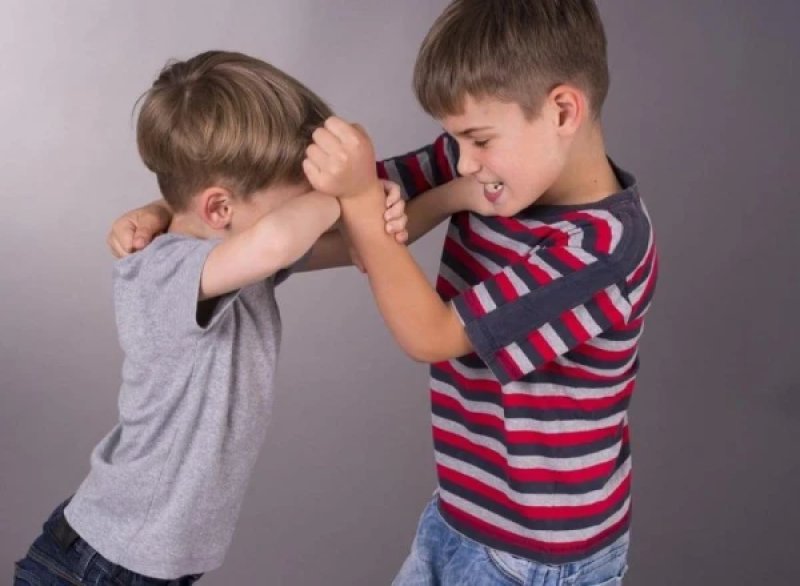
Where Does Aggression Come From? A child's behavior is shaped by family upbringing. Typically, aggression manifests in stressful or uncomfortable situations and can be linked to strong emotions. Fighting among children is a natural stage of development, similar to biting or protesting. The experience of 'settling disputes' in childhood influences behavior in conflict situations in adulthood. Psychologists identify several main causes of aggression. Common Causes of Child Aggression: 1. Parents' inability to control their own aggression. For example, if you often yell at your child or at each other, it may provoke aggressive behavior in the child. 2. Constant criticism of the child. If parents rarely praise their children and react negatively to their mistakes, this may contribute to aggression. 3. Lack of attention and love. A child may exhibit aggression to attract your attention, even if it is negative. 4. A harsh atmosphere at home and strict discipline. 5. Ignoring aggressive behavior. If you do not respond to fights and other forms of aggression, it may be perceived as approval. 6. Praising aggressive actions, such as retaliating, can also increase fighting behavior. 7. The influence of aggressive movies and cartoons. Children may imitate aggressive characters. 8. Aggressive behavior from peers. If someone bullies the child in kindergarten, they may start using aggression as a means of communication. How to Manage the Situation? Monitor your behavior and control your emotions in the presence of children. Communicate with your child, show interest in their life and emotions. If conflicts arise over material things, teach your child to share. Teach your child to express anger and frustration in other ways: scream in a room, hit a pillow, or draw the offender and tear up the drawing. It is important to foster a child's adequate self-esteem. Praise and support them so they feel your protection. Demonstrate by your own example how to resolve conflicts without aggression and fighting. This will help the child cope with conflicts with peers and in the future — in adult life. "1000 Secrets".
