

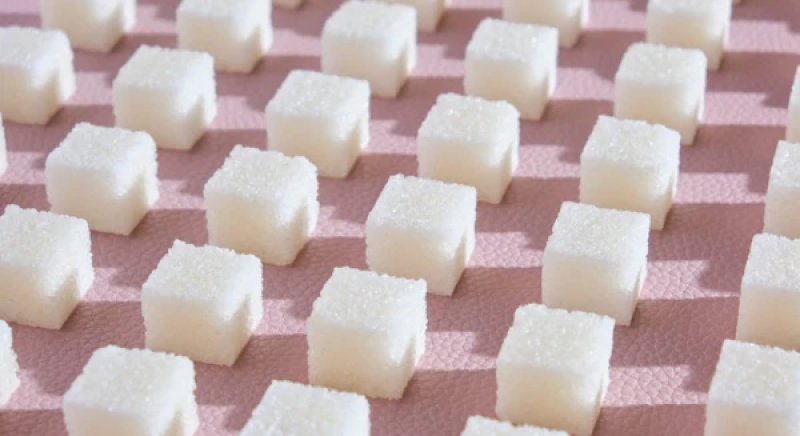
 Foto: BB.LV / Сахар
It's hard to believe, but the research has just been published in one of the most prestigious scientific journals in the world — Nature. **What is the essence of the discovery?** It turns out that if you consume sugar or sweets while being treated with antibiotics, it causes you particular harm. This conclusion was reached by American scientists after conducting a very thorough study. Antibiotics are a powerful weapon against diseases, but, as we know, they destroy not only the enemies but also beneficial microflora. This reduces the diversity of bacteria in the intestines (this is called biodiversity). Ironically, the number of bad microbes increases while the good ones decrease. If a person consumes a lot of sweets during treatment, this imbalance is significantly exacerbated, causing serious harm to the body. Here are the specific data revealed by the scientists: every additional 100 grams of sugar consumed within two days before and during antibiotic therapy reduces the diversity of beneficial bacteria by another 21%. This is quite a small and even familiar dose for people: the daily sugar intake recommendation by WHO is 50 g/day, but most people easily exceed it. **“Glamorous” enterococcus** The main threat is that the space freed up by the bacteria killed in the intestines by antibiotics is usually occupied by pathogenic microorganisms. In particular, sugar provokes the explosive growth of a bacterium with the cute name fecal enterococcus (Enterococcus faecium). This “glamorous” microbe causes severe infections that are extremely difficult to treat. All of this was discovered by scientists studying 173 patients who were being prepared for bone marrow transplants. Due to weakened immunity, the balance of microflora in the intestines of such individuals is a matter of life and death. Damage to the microbiome is directly related to high risks of complications and increased mortality. Therefore, they were thoroughly examined while simultaneously observing changes in the body. Throughout the antibiotic therapy, they received a standard diet with a certain amount of sugar. The more sugar they consumed, the more fecal enterococci proliferated in their intestines. Figuratively speaking, they grew on sugars like yeast, while beneficial microbes were suppressed by antibiotics. *By the third day, the population of dangerous enterococci in the intestines increased by 16.3 times; *and by the sixth day, it increased by 33.4 times! **Why is this important and what should we — ordinary people — do?** The main conclusion of the scientists is clear and unequivocal: a temporary refusal of sugar and other fast carbohydrates is a simple, safe, and accessible way for everyone to protect themselves during antibiotic therapy. Therefore, if you have been prescribed a course of such medications, try to eliminate sweets from your diet during the treatment and for some time afterward. This will help your digestive system recover faster and prevent fecal enterococci from taking control of your intestines.
