

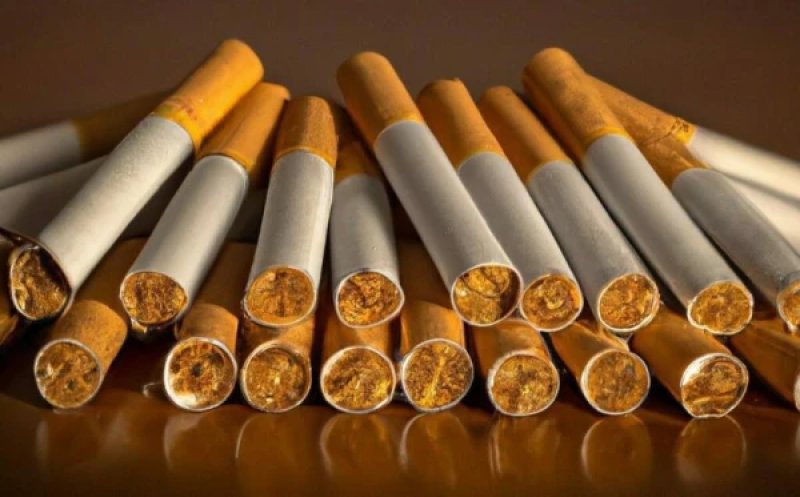
 Foto: BB.LV / Сигареты
The German Bundesrat on Friday, October 16, finally approved the increase in tobacco tax in Germany. The representation of the federal states of Germany did not appeal to the mediation committee, so the law can come into effect at the beginning of 2027. The Bundestag voted for the legislative change the night before. As a result of the adopted law, the average price of a pack of 20 cigarettes will rise by almost four euros by 2030 - to 11.78 euros. Germany's Finance Minister Lars Klingbeil expects that in the coming years, additional tax revenues will total nearly 12 billion euros. The factions of the ruling coalition in Germany, CDU/CSU-SPD, explain the tax increase as a necessity to protect public health, the high costs of the healthcare system for treating smoking-related diseases, and the desire to reduce the share of smokers among youth and adults. **The tax will increase gradually** In Germany, millions of people smoke cigarettes. According to the micro-census of 2025, the share of smokers among residents aged 15 and older was 19 percent. Of these, 14 percent, according to their own reports, smoke regularly, while 5 percent smoke occasionally. According to the German Cancer Research Center, about 131,000 people died in Germany in 2023 from diseases related to tobacco use. **Cigarettes will cost 11.78 euros per pack** Currently, the average price of a pack of 20 cigarettes in Germany is 8.05 euros. The increase will occur gradually. Next year, a pack will cost an average of 9.10 euros, in 2028 - 9.91 euros, in 2029 - 10.81 euros, and in 2030 - 11.78 euros. The prices of fine-cut tobacco for roll-your-own cigarettes, cigars, cigarillos, and pipe tobacco will also increase. Taxes on electronic cigarettes will rise as well. "This is a good step in the right direction," said Katrin Schaller from the German Cancer Research Center. However, she considers the law not ambitious enough, as in her opinion, alternatives to cigarettes will still be too cheap and will thus encourage smokers to switch to them rather than quit smoking. As examples, Schaller mentioned fine-cut tobacco for roll-your-own cigarettes and cigarillos, which are similar to regular cigarettes.
