

 Foto: BB.LV
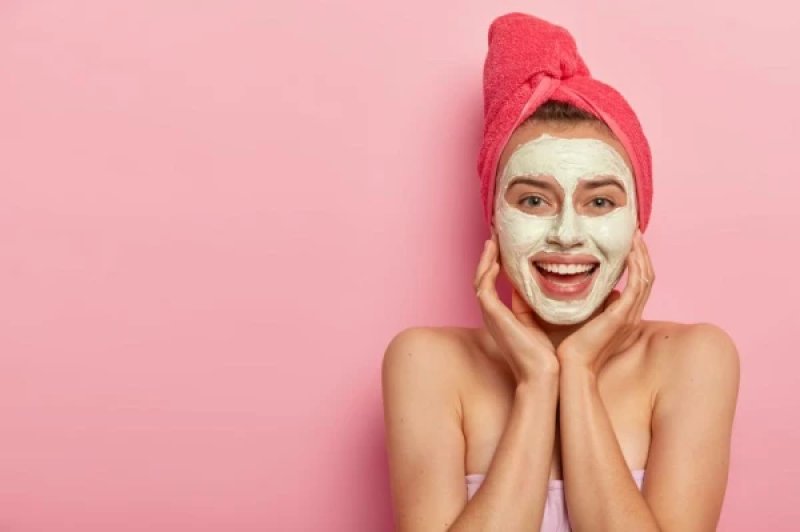
The basic principles of Ayurveda for skin health have been known since ancient times: these include sleep, proper nutrition, adequate hydration, and physical activity. Add to this meditative practices to calm the mind, and you have a comprehensive approach that promotes a good hormonal balance, which affects overall well-being and appearance. However, achieving this goal is often hindered by neglecting simple things. Let’s consider what exactly. Harmonious Lifestyle It is important to note that we avoid the word "correct." The reality is that many of us live in the dynamic environment of a big city, where stability is a dream. The pace of life can vary; the main thing is not to succumb to stress. Stress, anxiety, lack of sleep, and improper nutrition (ideally, suited to your dosha type) negatively affect the skin, as well as all organs and systems of the body, along with harmful habits. A lack of sleep and constant stress reduce collagen production, leading to a loss of skin elasticity. Chronic overstrain can cause hormonal disruptions, and stress can worsen digestion, which also accelerates skin aging. What Ayurveda Recommends: distribute your workload and rest wisely, get enough sleep, and try to "think positively." When the mind is calm and the body is filled with positive energy, hormonal balance stabilizes, positively affecting all processes in the body, including skin condition — it becomes healthier and more radiant. Sun Protection Today, porcelain white skin is in fashion, but for many Russian women, it is not an indicator of health. Most often, pale skin is attributed to office work and a lack of fresh air. Additionally, such skin may be unprepared for intense sunlight when we go on vacation, risking sunburn and pigmentation. Of course, when planning sunbathing, sunscreen is necessary, but it is also important to remember that we go to the sun not only for tanning but also for improving our overall condition — fresh sea air, beach walks, and the opportunity to disconnect from daily worries are very beneficial. What Ayurveda Recommends: do not blindly follow fashion, whether it is paleness or tanning, and subject your skin to unnecessary stress. Listen to your body. The right "dose" of sun can be determined by your feelings: if you feel that your body is overheating and you are uncomfortable, it is better to move to the shade, even if you have not yet "tanned enough." Daily Skin Care Caring for your skin is important even if you are 30 and look 25. The most important thing is cleansing. Use an Ayurvedic morning ritual: before washing your face, wipe it with a cotton pad soaked in milk or apply honey diluted with warm water to your skin. Massage, and after a few minutes, wash your face, then for toning, spray with rose water (for dry skin) or citrus juice (for oily skin), after which use your usual day cream. Ayurvedic cosmetics made at home may not have the perfect consistency and aroma, but they will be completely natural and free of chemical additives. What Ayurveda Recommends: use a scrub once a week to cleanse the skin of dead cells and allow it to "breathe." It should be completely natural: grind rice, almonds, or oatmeal in a coffee grinder, mix with honey, apply to the skin, and gently massage. Rinse off and apply cream. Four homemade Ayurvedic masks for four skin types Avocado Mask for Dry Skin Mix one teaspoon of soft avocado pulp with ¼ teaspoon of honey, add three drops of almond oil and half a teaspoon of white clay. Mix well and apply to the face (best done in the evening) for 20-25 minutes. Rinse with warm water, then rinse with cold, and use your usual cream. Turmeric Mask for Oily Skin Dilute one teaspoon of turmeric with kefir (preferably as natural as possible, ideally not store-bought) to form a paste. If necessary, kefir can be replaced with lemon juice. Apply the mask to the face, leave for 20 minutes, rinse with warm water, and continue with your usual care. Ayurveda is primarily an individual approach, so before starting to make and try Ayurvedic cosmetics, it would be wise to consult a specialist. Saffron Mask for Normal Skin Boil a small carrot and blend it (or mash it with a fork) until it becomes a puree. Add saffron, a little milk, and a pinch of white clay to the carrot paste. Apply the warm mask before bedtime, leaving it on the face for about half an hour, and then rinse with warm water. Nim Powder Mask for Problematic, Acne-Prone Skin Mix one teaspoon of nim powder with a few drops of lemon juice or rose water to form a thick paste. Apply to the face and leave for 20 minutes, after which perform a contrasting washing procedure.
