

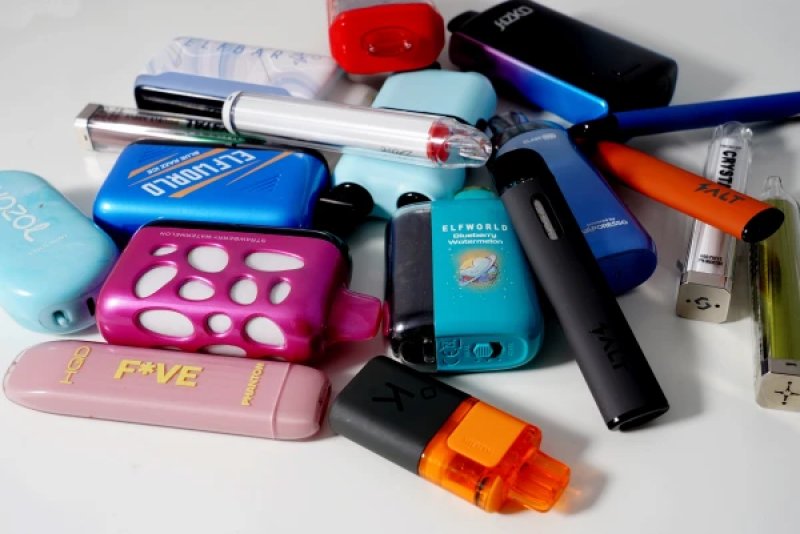
 Foto: BB.LV / Электронные сигареты
This is evidenced by the draft regulations of the Cabinet of Ministers on the operation of the deposit system for electronic smoking devices, presented for approval on the Regulatory Acts Portal. According to the draft, sellers will charge buyers a deposit of 50 cents for each device. The paid amount can be refunded in cashless form after returning the used electronic cigarette to a special machine for receiving such devices. Electronic cigarettes included in the deposit system must have special labeling confirming participation in the system, as well as a unique machine-readable QR code for tracking the devices. It is expected that collection points for used electronic cigarettes will be located in high-traffic retail outlets. At least one collection point must be equipped in every city of national significance and administrative center of the region. This requirement is planned to be fully implemented by January 1, 2028. The draft also stipulates that from February 1 until the end of 2027, the operator of the deposit system must ensure the collection of at least 50% of the devices released to the market that are included in the deposit system. From January 1, 2028, this figure must increase to at least 80%. According to industry representatives, the purchase and installation of one machine for receiving electronic cigarettes will cost approximately 25,000 euros excluding value-added tax (VAT). A total of at least 125 such machines are planned to be installed. Thus, the initial investments just for acquiring the equipment are preliminarily estimated at 3.125 million euros excluding VAT, or 3.781 million euros including VAT. This estimate does not include expenses for developing IT solutions, creating an accounting and logistics center, as well as other costs associated with the functioning of the system. According to a study conducted by the Latvian Association of Waste Management Enterprises in 2024, approximately 15 million electronic cigarettes were discarded in Latvia in 2023. Of these, only about 5%, or 750,000 devices, were collected separately and sent for recycling. The remaining 14.25 million electronic cigarettes predominantly ended up in municipal waste landfills.
