

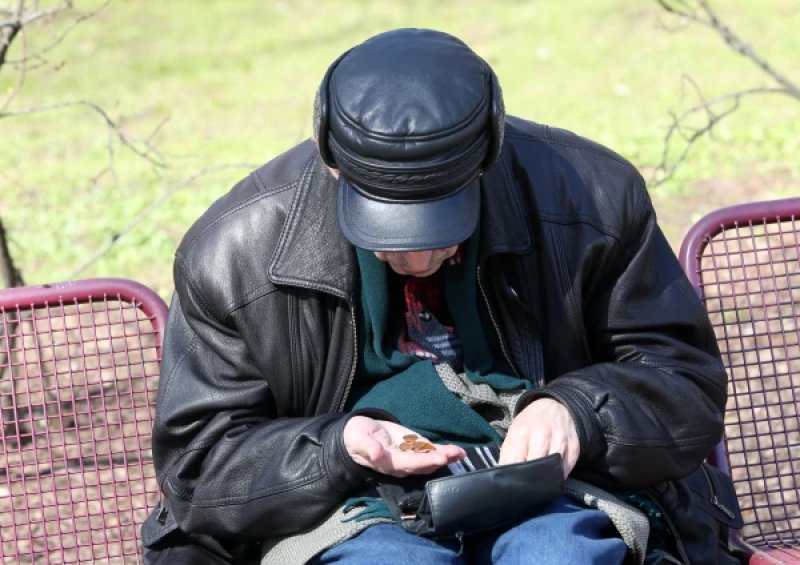
 Foto: BB.LV / Пенсионер
According to the LETA agency citing a study, every fourth resident of Latvia assesses their financial situation as unstable, and every fifth has serious doubts about the sufficiency of their savings for unforeseen circumstances. A particularly alarming trend is observed among the youth. If in July, 39% of young people doubted their ability to cope with unexpected expenses, by October this figure had risen to over half. Among women, the proportion of those who are uncertain increased by five percentage points, reaching 47%. At the same time, the number of those who consider their financial reserves sufficient is decreasing. From July to October, this share fell from 33% to 29%. The mood among the elderly has deteriorated significantly: among them, the proportion of those confident in their savings dropped from 34% to 25%. At the same time, only 5% of residents of Latvia are completely confident in their ability to cover unforeseen expenses. Another 27% assess their financial readiness as average. ## Where do people in the Baltics feel more confident? The study revealed significant differences between the three Baltic countries. The situation is worst in Estonia, where 48% of respondents doubt their ability to cope with unexpected expenses. In July, this figure was 45%. In Lithuania, financial confidence is noticeably higher: 28% of residents reported insufficient reserves. However, the situation is also deteriorating there — in the summer, this figure was eight percentage points lower. According to researchers, the relatively favorable situation in Lithuania is partly related to the partial payments from the second pension level that began in spring. After the first payments, the volume of deposits in Lithuanian banks increased by almost 8% in just one month, marking a record growth. Two months later, 44% of the received funds remained in residents' current accounts. ## Prices have stabilized, but it hasn’t gotten easier Experts explain the deterioration in financial sentiment by noting that, despite the stabilization of inflation, the overall price level remains high. Young people and the elderly are particularly sensitive to economic changes. Young people often do not have significant savings yet, while the elderly are additionally concerned about heating costs with the onset of autumn and winter. Concerns about the ability to cover unforeseen expenses are growing in all three Baltic countries. However, while residents in Lithuania generally feel more confident, in Latvia and Estonia, nearly half of the population doubts the sufficiency of their financial reserves. The survey was conducted in collaboration with the research company Norstat in October 2026. In each of the three Baltic countries, more than 1000 residents aged 18 to 74 were surveyed online.
