

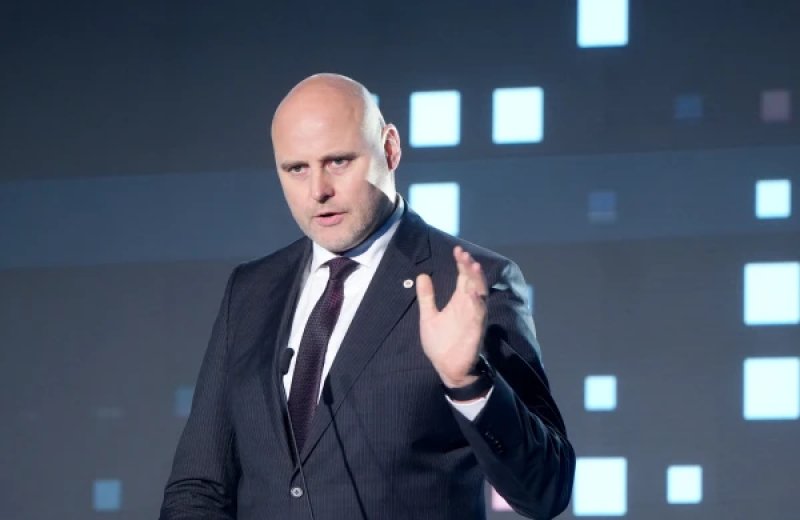
 Foto: BB.LV / Кулбергс
## Kulbergs Promises to Name Partners for the New Government This Week In Latvia, it may soon be known which political forces will form the next government. Prime Minister Andris Kulbergs ("United List"), who is leading negotiations to create a new coalition, expects to announce its members this week. He stated this in an interview with the TV3 program "900 Seconds," as reported by the LETA agency. According to Kulbergs, candidates for ministerial positions may be presented next week. However, before the negotiating participants can agree on the composition of the future coalition, they must also finalize the model of cooperation. The politician emphasized that the official announcement will follow only after agreements are reached and documents are prepared for signing. ### Will "New Unity" and "Progressives" Join the Government? One of the main questions in the negotiations is the possible participation of "New Unity" (NU) and the "Progressives" party in the new coalition. In the interview, Kulbergs was directly asked whether these political forces would receive seats in the government. However, he did not provide a specific answer, reiterating that the partners would be named this week. Meanwhile, according to Latvian Television, on Tuesday, the "United List" continued active negotiations only with the National Alliance. "New Unity" and "Progressives" were not invited to the next round of negotiations. This, however, does not yet mean the official exclusion of these parties from the possible coalition. ### Kulbergs Denies Agreement with Shlesers Separately, the Prime Minister commented on reports of possible cooperation with the "Latvia First" (LPM) party, led by Ainars Shlesers. Kulbergs denied information that an agreement had already been reached between the parties to form a government. According to him, during discussions with Shlesers, a convergence of views on state financial issues was discovered. Both politicians believe it is necessary to review state expenditures and bring budgetary policy in order. However, Kulbergs emphasized that a convergence of positions on specific issues does not imply an agreement on joint participation in the government. Earlier, Shlesers stated in the same TV3 program that he was ready to support Kulbergs' government on the condition that "New Unity" and "Progressives" would not be included. Commenting on these words, Kulbergs noted that he does not bear responsibility for the statements of the LPM leader. ### "United List" and National Alliance Align Positions The most noticeable convergence of views during the negotiations has been observed between the "United List" (UL) and the National Alliance (NA). On Monday, the second round of consultations on forming the government took place. Kulbergs' longest meeting was indeed with representatives of the NA. After the negotiations, he positively assessed the National Alliance's preparation for discussing future cooperation. In turn, NA chairwoman Ilze Indrikson said that both political forces share a similar long-term vision for the country's development. ### National Alliance Seeks Guarantees on Key Issues One of the topics of negotiation between UL and NA was the decision-making model in the future government. As reported by Latvian Television, the parties are discussing possible guarantees for the National Alliance on issues that the party considers fundamental. In particular, it concerns a mechanism that would prevent other coalition members from overriding the NA's position with the support of opposition deputies. It is still unknown whether such a condition will be included in the final agreement. ### When Will the Composition of the Government Be Known? According to the schedule announced by Kulbergs, negotiations should move to concrete decisions in the next two weeks. This week, it is expected to determine the composition of the coalition and agree on the model of cooperation. Next week, candidates for ministerial positions are to be named. However, final agreements have not yet been announced, so the composition of the new government and the distribution of portfolios remain open questions.
