

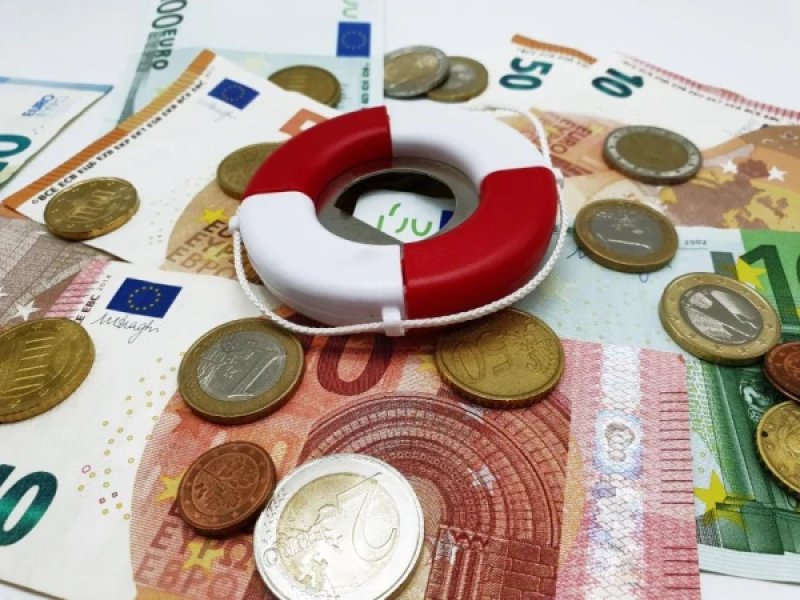
 Foto: BB.LV / спасательный круг и евро
The European Parliament intends to achieve an increase in the budget of the EU Civil Protection Mechanism (UCPM) by €1.74 billion compared to the initial proposal of the European Commission. The deputies believe that European countries need more joint resources to prevent disasters and respond to emergencies. As reported to LETA by the press secretary of the European Parliament in Latvia, Kristine Liepina, the deputies propose to allocate €12.42 billion for these purposes instead of the €10.68 billion proposed by the European Commission. The funding is planned for seven years — from 2028 to 2034. ### How the money is planned to be spent The EU Civil Protection Mechanism allows countries to pool resources to assist in large-scale disasters — from wildfires and floods to earthquakes and other emergencies. The European Parliament proposes to distribute the new budget as follows: - 40% — for civil protection and disaster response capabilities; - 40% — for emergency health situation prevention and addressing their consequences; - 20% — reserved for unforeseen crises. One of the most notable projects is expected to be the creation of a common aerial fleet for firefighting. It is anticipated that the relevant capacities will be available starting in 2028. For EU residents, including those in Latvia, this means the possibility of receiving additional assistance from common European resources when the country's own resources are insufficient to overcome a large-scale disaster. ### Not only eliminating disasters, but also predicting them The European Parliament proposes to strengthen monitoring and forecasting systems for hazardous phenomena. This involves using climate forecasts, assessing the vulnerability of specific territories, and utilizing European space systems for early warning of the population. This will allow state and municipal services to prepare in advance for emergencies rather than limiting themselves to responding after they occur. The deputies also propose to expand the participation of local and regional governments, create a coordination system for civil and military structures, and clarify responsibilities in the recovery of affected areas. ### More opportunities for medical assistance A separate focus of the future program is related to health threats that may affect several countries at once. The European Parliament proposes to create stockpiles of medical supplies, improve alert systems, and develop cooperation among medical institutions from different EU countries. In particular, this involves the possibility of deploying medical units across borders, temporarily increasing healthcare system capacities, and transporting patients to other countries if local hospitals become overwhelmed. Such measures are intended to ensure a coordinated response to crises that would be difficult for an individual state to handle alone. ### Special status for volunteers Another proposal concerns individuals participating in the aftermath of emergencies on a voluntary basis. The European Parliament wants to establish a special legal status for them, which would provide clear insurance conditions, recognition of qualifications, and exemptions from certain labor-related restrictions. This should facilitate the recruitment of volunteers for rescue and recovery efforts. ### When the decision will take effect The position of the European Parliament was supported by 424 deputies, while 105 voted against, and 83 abstained. However, there is still no final decision on funding. The European Parliament now needs to agree on the program's provisions with the Council of the EU. The new mechanism will become part of the EU's multiannual budget for 2028–2034. The European Parliament also advocates for an increase in the overall EU budget and the search for additional funding sources. The final amounts and conditions for the program's operation will be determined during further negotiations between European institutions.
