

 Foto: BB.LV
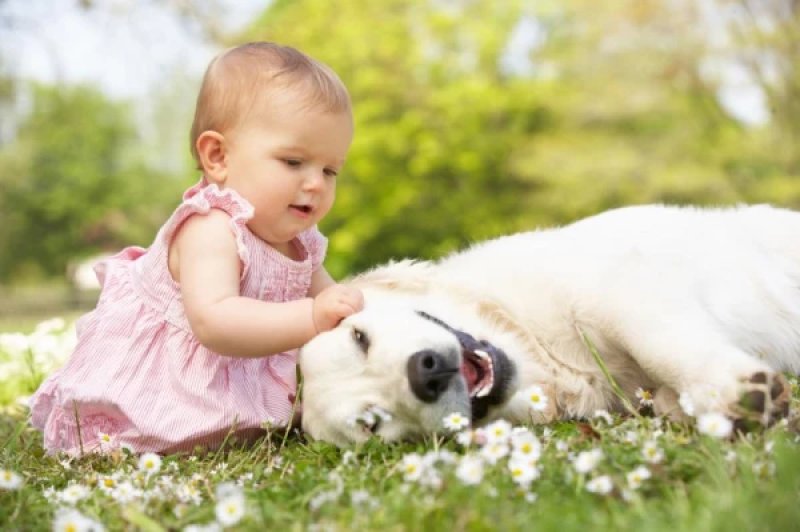
However, parents often see a pet as new responsibilities and refuse their children. The Family portal reminds adults of the benefits of having four-legged friends. A pet for a child is a loyal friend and companion with whom joys and difficulties can be shared. Young children intuitively seek friendship with animals, but they do not always understand that the care for them falls on the shoulders of the parents. Understanding all the difficulties, parents often abandon the idea of getting a pet, but sooner or later they start considering various options. Dogs First of all, many parents consider a dog as a pet. They are kind and sociable creatures that can become excellent guardians and friends. Dogs are loyal, active, and ready to protect a child. However, they also have drawbacks: training is required, regular vaccinations, and significant expenses for food. Additionally, dogs require a lot of attention and daily walks, which makes them similar to another child in the family. Pros: loyal friend, sociable companion. Cons: daily care, high costs, need for training. Cats Cats are less demanding and take up less space. They are affectionate and loving animals that enjoy playing with children and sleeping next to them. Adult cats are less active and can show a willful character. However, they have therapeutic properties and are easily litter-trained. For small children, it is better to choose adult cats, while kittens are suitable for schoolchildren, requiring minimal care. Pros: cleanliness, affection, compactness. Cons: can be mischievous, may damage wallpaper, sometimes require attention. Rodents Small furry creatures like rabbits, hamsters, and chinchillas can make good friends for children. However, they are not always quiet: rabbits can make noise in their cages, and hamsters and guinea pigs are active. Rodents take up little space and require less attention than other animals, but their short lifespan can be an emotional burden for a child. Pros: undemanding, compact. Cons: short life, can be noisy and chew on wires. Birds Birds like canaries and parrots can be cheerful and colorful pets. They delight with their singing and can beautify a home. However, they require attention and can be noisy, as well as leave mess around their cage. Pros: cheerful disposition, undemanding care. Cons: can be loud, require cleaning. Fish Fish create an atmosphere of calm and comfort. Although small children may quickly lose interest in the aquarium, schoolchildren can take care of the fish and change the water. An aquarium improves the microclimate in the apartment. Pros: improve microclimate, calming. Cons: requires regular water changes. Turtle A turtle is a quiet and calm animal that can become a good friend for a child. It is undemanding in care and food, but it can get sick unnoticed. With proper care, a turtle can live up to 80 years. Pros: calm, intelligent, undemanding animal. Cons: illnesses may go unnoticed. Interesting to Know Before choosing an animal for a child, observe whether your little one is ready to take care of a pet. Also, determine the child's temperament. For thoughtful phlegmatics, turtles, fish, and other small animals are suitable. Calm breed dogs can also help smooth out phlegmatic tendencies. Sanguine children will be happy with active animals like dogs and talking parrots. Melancholics should avoid silent fish and turtles, opting for cats or small dogs to cheer them up. Impulsive cholerics may benefit from fish for calmness and playful cats or friendly dogs for companionship.
