

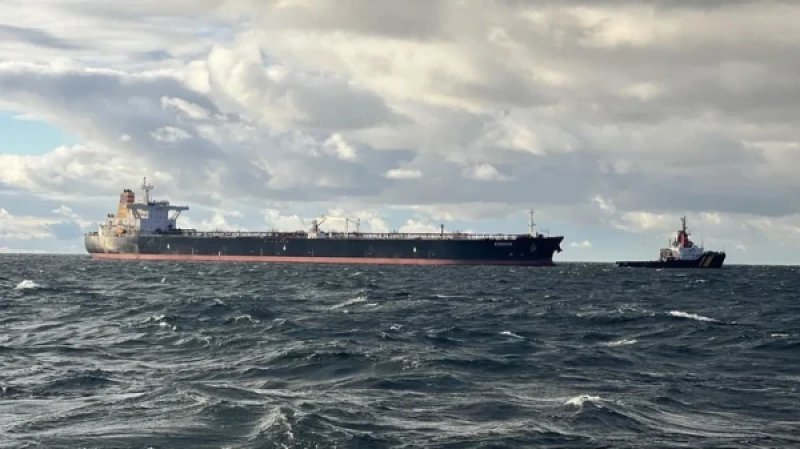
 Foto: BB.LV / Танкер
According to the Baltic Exchange, freight rates for VLCC supertankers, which transport crude oil from the Gulf of Oman to China, fell to approximately 308 points on the Worldscale by November 13. This figure is 64 percent lower than the historical high of 841 points recorded on October 8. The rapid decline in shipping costs occurred after exporters from Gulf countries ramped up oil shipments to nearly the levels observed before the outbreak of the military conflict involving Iran, the U.S., and Israel. The increase in supplies was achieved through alternative routes, transferring crude from one vessel to another at sea, and so-called "shadow voyages." During such transitions, crews disable tracking systems for safety reasons, as the threat of attacks on vessels in the region remains. The recovery of exports from the Gulf has reduced Asian buyers' interest in oil from other parts of the world, freeing up many large tankers. Arrow Shipbroking analyst Delia He explained that the return of Middle Eastern volumes to the market diminished demand in Asia for crude from the U.S. and the North Sea, which directly impacted the demand for supertankers. Vortexa expert Ioannis Papadimitriou added that the recent spike in freight rates forced Asian companies to abandon oil purchases from the U.S., West Africa, and the North Sea due to excessively high shipping costs over long distances. Instead, buyers shifted to closer supplies from the Middle East. At the same time, many vessels completed unloading in East Asian ports, increasing the number of available tankers and putting further pressure on rates. The autumn surge in freight costs and global oil prices was largely driven by concerns for shipping safety in the Persian Gulf due to attacks on tankers. In November, oil prices fell by 20 percent amid hopes for a de-escalation of tensions around Iran. Representatives of Arrow Shipbroking emphasized that such a sharp drop in freight rates is explained not only by market balance but also by a rapid reduction in the premium for war risks. Previously, the shortage of available supertankers had constrained U.S. oil exports and forced shippers to use smaller vessels for deliveries to Europe.
