

 Foto: BB.LV
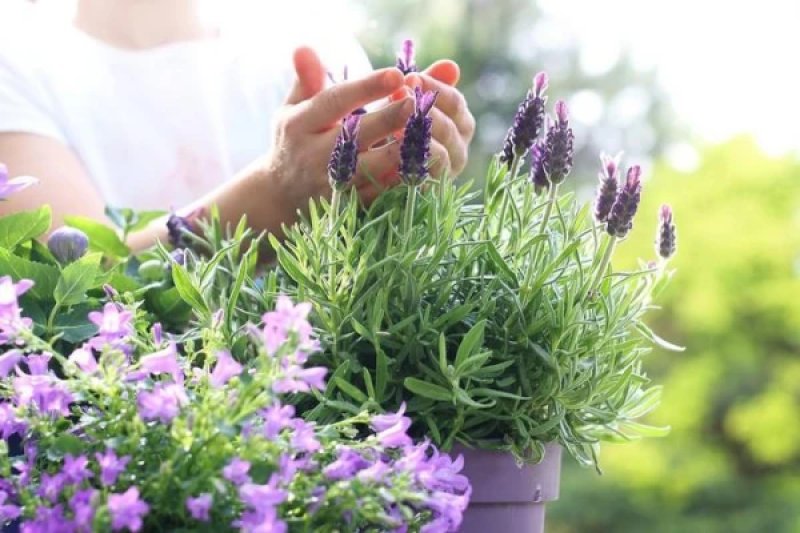
How It Works According to ancient teachings, some houseplants are capable of directing the flow of positive energy. They not only purify the air by absorbing carbon dioxide but also help relieve stress, bringing luck and wealth. Tulsi Tulsi, or Ocimum tenuiflorum, is a perennial shrub and is considered one of the most powerful "magnets for luck" according to Vastu Shastra. This plant has many beneficial properties, effectively purifies the atmosphere, and repels mosquitoes. * Where to Place Tulsi can be grown in the front or back of the house, on the balcony, or on windows — anywhere there is direct sunlight. "Bamboo of Happiness" The official name of this plant is Dracaena sanderiana. It is nicknamed the "bamboo of happiness" for its thick stems that resemble real bamboo. Both Vastu Shastra and Feng Shui associate this plant with luck, wealth, and good health. Additionally, Dracaena sanderiana is an excellent air purifier. * Where to Place Preferably in the eastern corner of the room. Pothos The evergreen climbing Pothos is referred to as the "money plant" by Indians, as it is believed to bring wealth into the home and help overcome financial difficulties. This plant is very low-maintenance. * Where to Place Pothos does not require special care, but watering it can be a hassle. To prevent the floors from warping due to puddles, it is recommended to place pots with the plant in spacious planters. Lavender Lavender also brings luck and abundance. It has calming properties and scents the room. This plant is quite finicky, so it is recommended to regularly add fertilizers and crushed eggshells. When planting lavender, the pot should have a good drainage layer to avoid waterlogging. * Where to Place In the brightest spot, preferably by south-facing windows, but in the summer during hot midday hours, some shading is required. Eucalyptus This amazing potted plant with its unique crown and leaves changes the atmosphere in the room with its aroma. Eucalyptus has healing properties and is a source of positive energy in the home. * Where to Place Eucalyptus needs bright lighting, so it is best placed on south-facing windowsills. Additional lighting in winter is essential: at least 6 hours of direct sunlight per day. The temperature for eucalyptus should be 16–18 degrees. Holy Fig This fig is also known as the religious fig and Bodhi tree. In Hindu tradition, this plant is considered sacred. It is also significant in Buddhism, as it is believed that Gautama Buddha attained enlightenment while meditating under the Bodhi tree. According to proponents of Vastu Shastra, this type of fig is a talismanic plant that brings luck, wealth, happiness, and longevity to the home. * Where to Place The fig loves light and grows well on a window facing west or east. On warm days, it can be placed in direct sunlight. The plant is heat-loving, but sharp temperature fluctuations and drafts can be detrimental. In winter, it is not recommended to place it near heaters and radiators. Citrus Trees In Hinduism, growing citrus trees at home is considered a ritual for attracting luck and money. Most citrus fruits have a round shape and golden color, symbolizing coins. * Where to Place In the sunniest spot on an east or west window, as well as on the south side — in the shade of more sun-loving plants. In winter, citrus trees suffer from a lack of light, so it is recommended to arrange a "hibernation" for them — move them to a storage room with a temperature of 15–17 degrees and water them every 2-3 weeks. Kristina Molodtsova
