

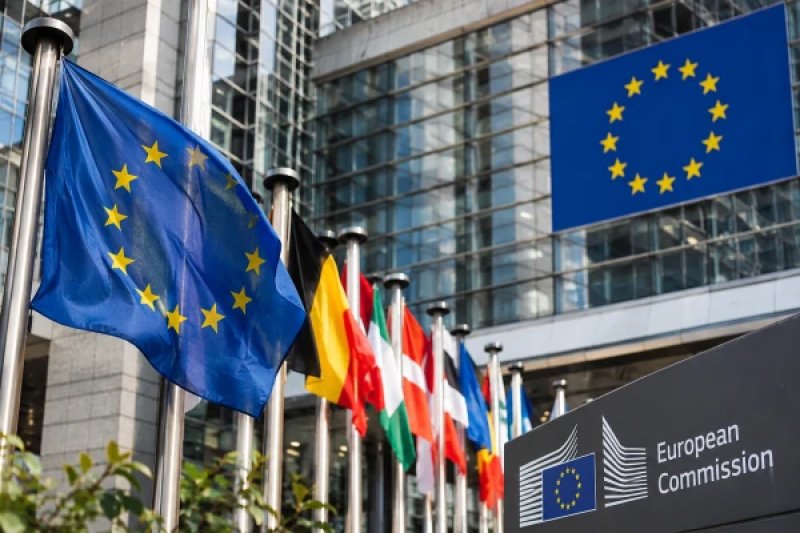
 Foto: BB.LV / Европарламент
The reason is the fierce debates surrounding the next seven-year EU budget for 2028–2034. The European Commission initially proposed allocating about two trillion euros for it, but not all countries are ready to agree to such expenditures. Germany and several other countries are calling for cuts. According to AFP, the new budget proposal, which will be presented on Saturday by the President of the European Council, António Costa, suggests reducing expenditures by 200 billion euros. **Will Google, Apple, and Other Giants Pay?** One way to replenish the European treasury could be a new tax on the largest digital companies. Such a measure could potentially affect American tech giants, including Google, Apple, Amazon, and Meta. The idea is supported by the European Parliament. Its members propose going even further and imposing additional taxes on cryptocurrencies and online gambling. According to estimates from the European Parliament, together these measures could bring the EU budget up to 32 billion euros annually. It is expected that the digital tax will replace the previously proposed levy on large companies. However, the initiative carries a serious political risk. The administration of U.S. President Donald Trump has repeatedly reacted sharply to European fines and restrictions on American tech corporations. The new tax could become yet another point of contention between Brussels and Washington. **Europe Debates: Save or Seek New Funds?** There is no unity even within the EU itself. Germany, Sweden, and four other countries advocating for budget discipline are skeptical about new taxes. "This is money that will be taken from somewhere else. It does not solve the financial equation," said Sweden's Minister for European Affairs, Jessika Roswall. In her opinion, the EU should primarily cut expenditures and reduce member states' contributions. France holds a different position. Paris believes that the EU needs sufficient financial resources to respond to growing challenges. At the same time, 17 countries from Southern, Central, and Eastern Europe have united in a group called "Friends of Cohesion," demanding to maintain and increase funding for agriculture and regional development. The European Parliament is also dissatisfied with the proposed cuts. One of the leading budgetary lawmakers, Siegfried Mureșan, warned that the Parliament could block the budget if its demands continue to be ignored. **A Decision Ahead — Negotiations Promise to Be Challenging** Next week, EU leaders will discuss budget proposals at a summit in Brussels. They will have to tackle two challenging tasks: how much money the EU is willing to spend in the next seven years and who should pay for it. So far, the digital tax remains just a proposal. But if EU countries reach an agreement, the largest tech corporations may face new financial obligations in Europe.
