

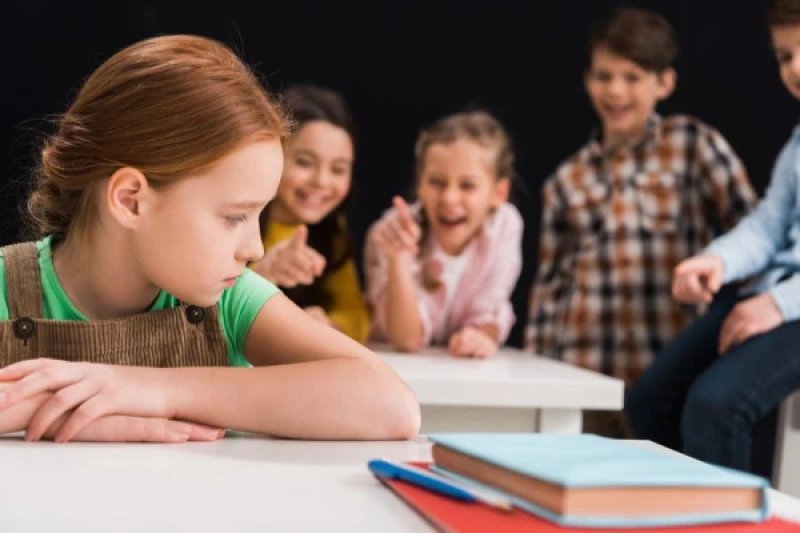
 Foto: BB.LV
Personal Experience I remember my childhood. I was 9 years old when I first went to camp. I quickly made friends and signed up for several clubs. However, after two weeks, I got bored. A counselor from another group, young and beautiful, caught my attention, and I asked to join her group. But in childhood, the age difference is very noticeable. The girls aged 10-11 seemed grown-up to me, and they started to bully me. It was simple: I would enter the room, and everyone would fall silent, then start laughing as if I weren't there. They hid my things and threw my shoes out in the rain. Why did they do this? Out of boredom, because one girl suggested it, and the others picked it up. I tried to complain, but the counselor just brushed it off: “Maybe it’s your fault?” I tried to talk to the bullies, but they only intensified the bullying. It hurt me a lot, and I still remember it, which is why I want to help both parents and children. Bullying or “Unpopularity”? In any group of children, there are unpopular kids that no one befriends. But it’s important to distinguish between a child who doesn’t have a close friend and one who is being bullied. If classmates tease, hide belongings, or refuse to communicate, that is already bullying. I recommend watching the Soviet film “Chuchelo,” where this is depicted in detail. If you notice that your child is having trouble socializing, you might try organizing a small event with a few classmates, inviting a close friend over, or asking a teacher to assign a group task. Sometimes small efforts can change the situation. For example, at the beginning of 4th grade, our class teacher organized a one-day hike with parents. Those who went became closer to each other than those who stayed home. What to Do If Your Child Is the Target of Bullying? Many adults prefer not to intervene, believing that children should sort things out themselves. But bullying can start with any child, even if they don’t stand out in any way. Group aggression can fall on anyone who happens to be in the wrong place at the wrong time. It is important for an authoritative adult to explain what bullying is and why it destroys people, using examples such as the story of the Ugly Duckling from Andersen's fairy tale. The role of adults in this process is significant. If a teacher allows humiliating comments, it can lead to the entire class turning against one child. What Should Parents Do? Parents should come to school and inform the class teacher: “My child is being bullied in class, what are you going to do about it?” Do not agree to phrases like “Well, he is this or that, we can’t force the kids to be friends with him.” This is a serious threat to your child's psychological health and that of the entire class. If the teacher does not support you, contact the principal or the school administration. Usually, a visit to the principal is enough to resolve the issue. It is important not to demand immediate punishment but to ask for a resolution involving specialists, such as a school psychologist. What Should Happen? An authoritative adult should explain what bullying is and why it destroys people. It is important that bullying is not tolerated in the classroom. This should be clearly stated. Parents' Reaction to Bullying When parents discover that their child is in trouble, they may react in different ways. Some may want to take revenge, while others may advise the child to fight back. It is important to monitor your emotions and understand why this situation triggers such a reaction in you. The fear of being rejected is a natural feeling, and many try to conform to the expectations of those around them. If the Situation Gets Out of Control If you see that the situation is worsening and your child refuses to go to school, it may be worth considering changing schools. A sign that the problem lies in the class rather than with the child is that they do well in other social situations. Sometimes children unconsciously transfer behavioral models from their family to their peers. If you notice this, it is important to seek help from a psychologist. Do not leave your child alone with bullying; help them. Ekaterina Demina, Psychologist
