

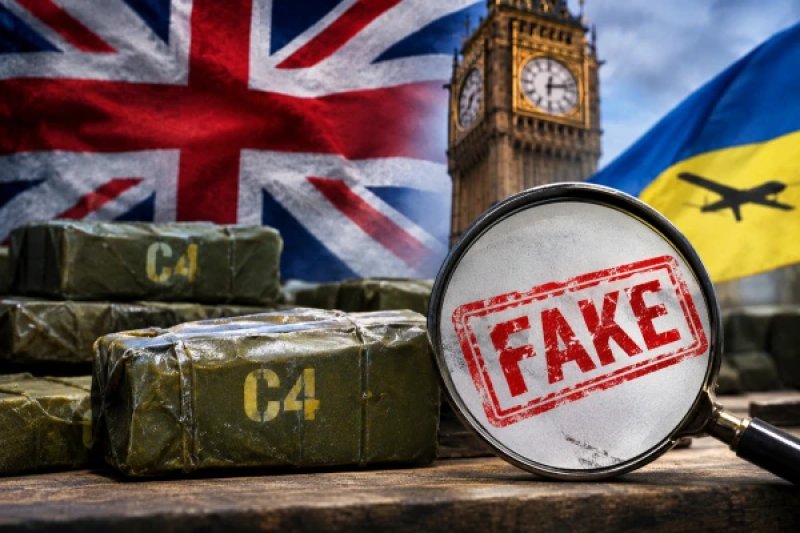
 Foto: BB.LV / Опасная взрывчатка
At the center of the scandal is arms dealer Ryan Morris from the American state of Pennsylvania, who also worked part-time as a police officer. His company Tripwire South LLC received large contracts from the British Ministry of Defence for the supply of explosives, which it advertised as a more powerful alternative to the military plastic explosive C4. However, an investigation by the Financial Times revealed that significantly cheaper commercial explosives were supplied under the guise of an expensive product, which did not match the claimed composition. **Dangerous Substitution** Particular concern arises from the fact that the British Ministry of Defence repeatedly sent multi-ton shipments of this explosive directly to Ukraine. Moreover, the accompanying documentation, as journalists claim, did not contain the necessary warnings about the dangers of the supplied substance. This could have created additional risks for Ukrainian servicemen. Member of the parliamentary defense committee Mike Martin stated that the Ministry of Defence potentially jeopardized the lives of hundreds of Ukrainian soldiers and spent millions of British taxpayers' pounds on products that did not meet the supplier's claims. **Supplier Threatens Legal Action** Morris and his company categorically deny the allegations. Through their lawyers, they stated that the product was advertised in good faith and that its production was carried out by a third-party enterprise. Representatives of Tripwire also claim that there were no safety or effectiveness issues with the explosives, and that the British Ministry of Defence did not incur any losses. The company threatened legal action in connection with the publication of the investigation. Meanwhile, according to the Financial Times, laboratory tests conducted by the British Ministry of Defence after the first shipment revealed discrepancies in the composition of the explosives from the claimed characteristics. The scandal raises questions about the effectiveness of the UK's accelerated defense procurement system. The main question that London now has to answer is: why did multi-million-pound supplies continue despite the results of the conducted analyses?
